What is Stroke and post-stroke follow-up?
There are two main types of stroke. Ischaemic stroke (about 85%) is caused by a blood clot blocking an artery in the brain. Haemorrhagic stroke is caused by bleeding into or around the brain. A transient ischaemic attack (TIA) — sometimes called a “mini-stroke” — causes the same symptoms but resolves within minutes to hours; it is a serious warning sign of a possible future stroke.
Recognise a stroke: BE FAST
- B – Balance: sudden loss of balance or coordination
- E – Eyes: sudden loss of vision or double vision
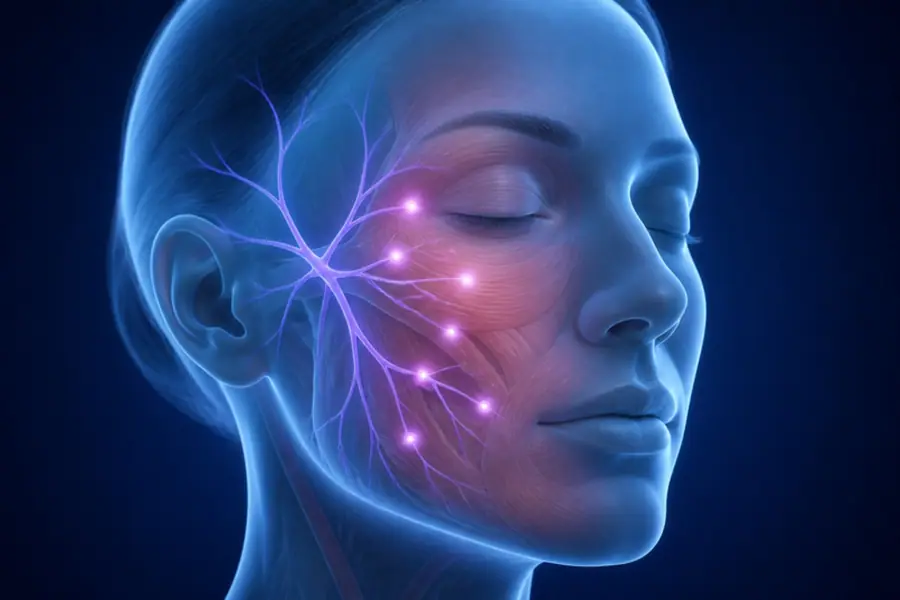
- F – Face: one side of the face droops
- A – Arm: weakness or numbness of one arm or leg
- S – Speech: slurred speech or difficulty understanding
- T – Time: call 112 immediately and note the time symptoms started
If you notice signs of a stroke, call 112 (or your local emergency number) immediately. Do not wait for symptoms to pass. Clot-dissolving treatment and clot removal are only possible within a limited time window.
Risk factors
- High blood pressure — the most important modifiable risk factor
- Atrial fibrillation and other heart conditions
- Diabetes and high cholesterol
- Smoking and excessive alcohol
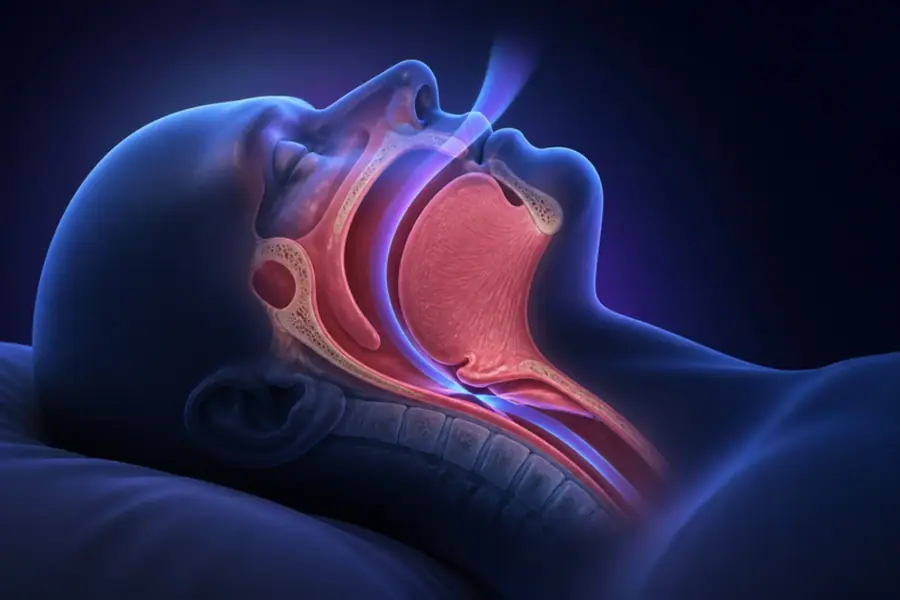
- Sleep apnea
- Obesity and physical inactivity
- Narrowing of the carotid arteries
- Age and family history
Stroke at a younger age
About one in ten strokes occurs in people under 50. In younger people, less common causes must be investigated, such as a tear in the wall of a neck artery (dissection), a small opening between the chambers of the heart (patent foramen ovale), blood clotting disorders, autoimmune diseases or the use of certain drugs. Identifying the cause is essential for choosing the right preventive treatment.
Symptoms of Stroke and post-stroke follow-up
After a stroke, people may experience a wide range of consequences depending on the area of the brain affected:
- Weakness or stiffness (spasticity) of the arm or leg
- Speech and language difficulties (aphasia)
- Swallowing problems
- Visual field loss
- Problems with memory, attention and planning
- Depression, anxiety and emotional changes
- Fatigue
- Post-stroke pain and shoulder pain
- Seizures
- Sleep disorders, especially sleep apnea
When should you see a neurologist?
- After a stroke or TIA, for secondary prevention and follow-up
- People with multiple risk factors who want to reduce their stroke risk
- Stroke survivors with spasticity, pain, memory problems or seizures
- Patients who had a stroke abroad and want a second opinion or continuity of care
- Families of stroke survivors seeking guidance on care and rehabilitation
How is Stroke and post-stroke follow-up diagnosed?
In the follow-up phase, the aim is to clarify the cause of the stroke and to identify all risk factors so that the right preventive treatment can be chosen.
- Brain MRI or CT to show the stroke and any previous silent strokes
- Imaging of the blood vessels (carotid ultrasound, CT or MR angiography)
- ECG and heart rhythm monitoring to detect atrial fibrillation
- Echocardiography to look for a source of clots in the heart
- Blood tests: cholesterol, blood sugar, kidney function and other tests as needed
- Sleep study if sleep apnea is suspected — it is very common after stroke
- Cognitive assessment if there are memory or thinking problems
How is Stroke and post-stroke follow-up treated?
Preventing another stroke
- Antiplatelet medicines or anticoagulants (for atrial fibrillation), chosen according to the cause
- Blood pressure control to recommended targets
- Cholesterol-lowering medication
- Diabetes management
- Stopping smoking and limiting alcohol
- Treatment of sleep apnea with CPAP if present
- Carotid surgery or stenting in selected patients with significant narrowing
Supporting recovery
Rehabilitation — physiotherapy, occupational therapy and speech therapy — is most effective when started early, but improvement can continue for months and even years. Spasticity can be treated with exercises, medication and Botox injections. Depression, pain, fatigue and sleep problems are actively looked for and treated, as they greatly affect quality of life.
Life after stroke
Returning to work, driving, sexuality, travel and leisure activities are important topics for many stroke survivors. These are discussed openly during follow-up, and practical steps are planned according to the individual’s recovery. Family members often need support too, particularly in the first months.
Treatment timeline and your stay in Istanbul
A follow-up consultation takes 30–45 minutes. In the first months after a stroke, check-ups are usually every one to three months; later, every six to twelve months.
For patients living abroad, a consultation with review of all reports and images, and any additional tests, can be planned within 1–2 days in Istanbul. Ongoing follow-up can continue online.
Follow-up after treatment
- Take preventive medicines every day, even if you feel well
- Measure blood pressure regularly at home
- Stay physically active within your abilities
- Eat a balanced, low-salt diet
- Learn the warning signs and call 112 immediately if they recur
- Attend regular follow-up appointments
Risks and what to watch for
The risk of another stroke is highest in the first weeks and months after a stroke or TIA. Consistent preventive treatment significantly reduces this risk. Blood-thinning medicines carry a risk of bleeding, which is weighed carefully against their benefits for each individual.
Frequently asked questions about Stroke and post-stroke follow-up
What is a TIA and why is it important?
A TIA causes stroke symptoms that resolve within minutes to hours. It is a warning sign: the risk of a stroke is high in the following days, so urgent assessment and preventive treatment are needed.
Can a second stroke be prevented?
The risk can be reduced substantially with blood pressure and cholesterol control, the right blood-thinning medication, treatment of atrial fibrillation and sleep apnea, and lifestyle changes.
How long does recovery after a stroke take?
The fastest improvement usually occurs in the first three months, but progress can continue for a year or longer with rehabilitation.
Can Botox help after a stroke?
Yes. Botox injections can reduce spasticity in the arm or leg, making movement, care and physiotherapy easier.
Is sleep apnea related to stroke?
Yes. Untreated sleep apnea increases the risk of stroke, and it is very common after stroke. Treating it may support recovery and prevention.
Can a stroke cause memory problems?
Yes. Strokes, including small silent ones, can affect memory, attention and thinking. This is called vascular cognitive impairment and should be assessed.
Can I fly after a stroke?
Many people can fly a few weeks after a stroke once they are stable, but the decision depends on the type and severity of the stroke and should be discussed with your doctor.
Can seizures occur after a stroke?
Yes. Seizures can occur in the first days or develop months later. If they recur, anti-seizure treatment is started.
Can I take my blood-thinning medicine while travelling?
Yes, and you should not miss doses. Carry enough medication in your hand luggage and a list of your medicines in English. On long flights, walk regularly and drink enough water.
Is depression common after a stroke?
Yes. About one in three stroke survivors experiences depression, which can slow recovery. It is treatable with psychological support and, when needed, medication, so it is important to mention low mood at follow-up visits.
How is post-stroke fatigue treated?
Fatigue is very common after stroke. Contributing factors such as depression, sleep apnea, medication side effects, anaemia or thyroid problems are looked for and treated, and a gradual activity plan helps many people.
This page is for general information only and does not replace a medical consultation. Please consult a physician for diagnosis and treatment. Results vary from person to person.