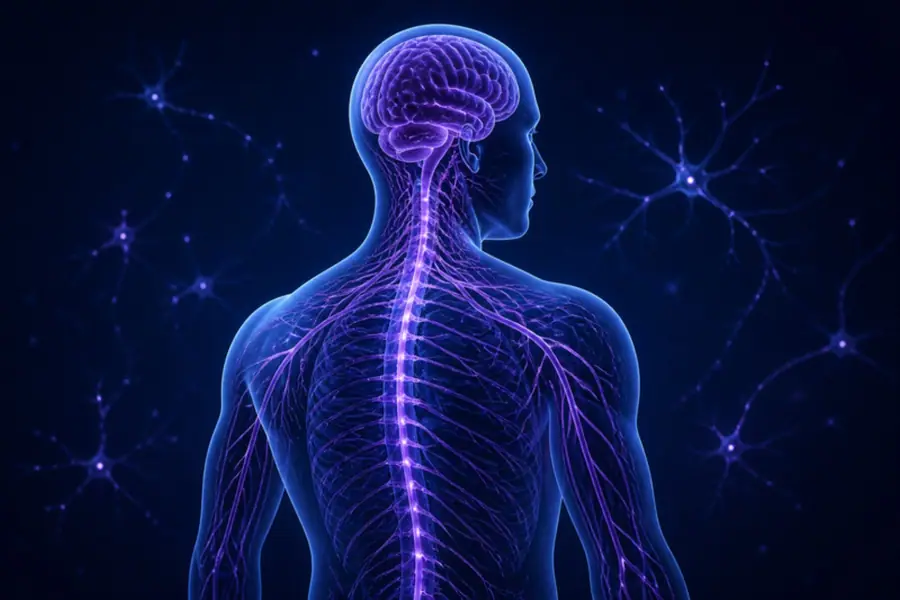
What is Neurology consultation and second opinion?
Neurology deals with diseases of the brain, spinal cord, peripheral nerves and muscles. Common reasons to see a neurologist include headache and migraine, dizziness, numbness and tingling, weakness, tremor, memory problems, seizures and fainting, sleep disorders, and pain in the neck or back radiating to the arms or legs.
A neurology consultation is much more than a quick look at test results. Most neurological diagnoses are made primarily from a careful history — how and when symptoms started, how they have changed, what makes them better or worse — combined with a systematic neurological examination. Tests such as MRI, EEG and EMG are then used selectively to confirm or exclude specific possibilities.
What a second opinion offers
A second opinion can be valuable when a diagnosis is uncertain, when a serious diagnosis has been made, when symptoms continue despite treatment, when surgery or long-term medication is recommended, or when you simply want to understand your condition better. Your previous reports and images are reviewed independently, missing information is identified, and you receive a clear explanation of the diagnosis, the options and their pros and cons.
Consultation in your own language
Dr. Sevinç Ümit speaks English, German, Bulgarian, Russian and Turkish. Being able to describe symptoms in detail without an interpreter makes a real difference in neurology, where subtle details of the history are often the key to the diagnosis.
Which conditions is it used for?
- Headache that is new, changing, frequent or severe
- Dizziness, vertigo or balance problems
- Numbness, tingling, burning or electric sensations
- Weakness, clumsiness or changes in walking
- Tremor or slowness of movement
- Forgetfulness, confusion or personality changes
- Seizures, blackouts, fainting or unexplained episodes
- Double vision, drooping eyelids or difficulty swallowing
- Snoring with daytime sleepiness, insomnia or unusual behaviour in sleep
- Neck or back pain radiating to the arms or legs
Who is Neurology consultation and second opinion suitable for?
A neurology consultation is suitable for adults of all ages, with particular experience in older adults (geriatric neurology), headache and sleep disorders. A second opinion is especially recommended in the following situations:
- A diagnosis of epilepsy, multiple sclerosis, Parkinson’s disease or dementia
- Recommendation for spinal or brain surgery
- Symptoms that continue despite treatment
- Conflicting opinions from different doctors
- Unclear MRI findings such as “white matter lesions” or “incidental findings”
- Medication side effects or the wish to reduce medication
Sudden weakness of one side of the body, facial drooping, slurred speech, sudden loss of vision, the worst headache of your life or a prolonged seizure are emergencies. Call 112 (or your local emergency number) immediately.
Assessment before the procedure
To make the most of the consultation, please prepare the following:
- A short written summary of your symptoms and their timeline
- All previous reports: MRI, CT, EEG, EMG, blood tests, discharge letters
- The MRI or CT images themselves (on CD, USB or as a download link), not only the reports
- A complete list of your current and past medicines, including doses
- A headache, seizure or sleep diary if relevant
- Videos of episodes such as seizures, tremor or abnormal movements
- A family member who knows your symptoms, especially for memory problems or episodes of unconsciousness
How is Neurology consultation and second opinion performed?
History
The consultation starts with a detailed conversation about your symptoms, medical history, medicines, family history and lifestyle. You are encouraged to describe everything in your own words.
Neurological examination
The examination includes mental status and speech, the cranial nerves (vision, eye movements, facial sensation and strength, hearing, swallowing), muscle strength, tone and bulk, reflexes, sensation, coordination, balance and walking. For memory complaints, standardised cognitive tests may be used.
Review of tests
Previous images are reviewed directly, not only the written reports. If further tests are needed — such as EEG, EMG, evoked potentials, sleep study or blood tests — they are planned, ideally on the same or the following day.
Diagnosis and plan
At the end, the likely diagnosis, other possibilities and the reasons for any tests are explained in clear language. A written treatment plan is provided, including medication, lifestyle advice, warning signs and follow-up. For international patients, an English summary can be prepared for your doctor at home.
Procedure time and your stay in Istanbul
A first consultation usually takes 30–60 minutes, depending on the complexity of the problem. Second opinion consultations with many previous reports may take longer. Follow-up visits are usually shorter.
For international patients, the consultation and any necessary tests are generally planned within one day in Istanbul. Reports can be sent in advance for an online pre-consultation so that the visit can be organised efficiently.
After the procedure
- You receive a written summary of the findings and plan
- Results of further tests are discussed in person or online
- Medication changes are monitored at follow-up visits
- Follow-up can continue by video call for patients living abroad
- Contact us if new or worsening symptoms appear
Possible side effects and risks
A neurological examination is safe and non-invasive. The only “risk” is that a single consultation may not always provide a final answer — some conditions become clear only over time or after further testing. In these cases, a clear plan for the next steps is agreed.
Frequently asked questions about Neurology consultation and second opinion
Do I need a referral to see a neurologist?
No. You can book a consultation directly. If you have reports from other doctors, please bring them.
Can I get a second opinion without travelling?
An initial review of your reports and images can be done online. However, because the neurological examination is so important, an in-person consultation is often recommended for a definitive opinion.
Should I bring my MRI images or just the report?
Please bring the images themselves whenever possible. Reviewing the images directly can reveal details that are not mentioned in the report.
Can a family member join the consultation?
Yes, and it is often helpful — especially for memory problems, episodes of unconsciousness or when important decisions need to be made.
In which languages can I have the consultation?
English, German, Bulgarian, Russian and Turkish, directly with the doctor and without an interpreter.
Will I get a written report?
Yes. You receive a written summary of the findings and recommendations; an English summary can be prepared for your doctor at home.
What is geriatric neurology?
Geriatric neurology focuses on neurological conditions in older adults, such as memory problems, Parkinson’s disease, balance problems and falls, sleep disorders and the effects of multiple medicines on the brain.
How long before my trip should I contact you?
Ideally one to two weeks before, so that documents can be reviewed and any tests can be scheduled during your stay.
Can the consultation be combined with tests on the same day?
Yes. EEG, EMG, evoked potentials and blood tests can usually be performed on the same day, and MRI can often be arranged within one or two days, so that you leave Istanbul with a complete assessment.
What if I need treatment after the consultation?
Treatments such as migraine Botox, nerve blocks or Botox for spasticity and dystonia can often be given during the same visit. Medication plans are explained in writing, and follow-up continues online.
This page is for general information only and does not replace a medical consultation. Please consult a physician for diagnosis and treatment. Results vary from person to person.