What is Parkinson’s disease?
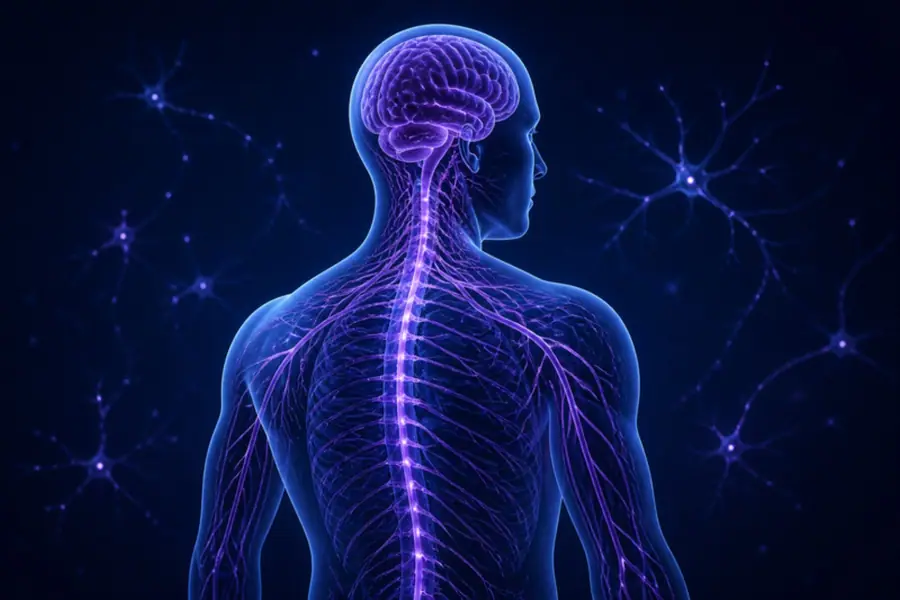
Parkinson’s disease develops when nerve cells in a part of the brain called the substantia nigra gradually lose their ability to produce dopamine, a chemical messenger essential for smooth, controlled movement. Symptoms usually appear when a large proportion of these cells has already been lost.
The cause is not fully understood. A combination of ageing, genetic predisposition and environmental factors is thought to play a role. Parkinson’s disease is most common after the age of 60, but about one in ten people are diagnosed before 50.
Parkinson’s disease or parkinsonism?
Parkinsonism describes the combination of slowness, stiffness and tremor, which can have several causes. Besides Parkinson’s disease, these include certain medicines (for example some anti-nausea drugs and antipsychotics), multiple small strokes (vascular parkinsonism), normal pressure hydrocephalus and atypical parkinsonian syndromes such as multiple system atrophy and progressive supranuclear palsy. Distinguishing between them is important because treatment and outlook differ.
Symptoms beyond movement
Parkinson’s disease also causes non-motor symptoms, which can appear years before movement problems: loss of smell, constipation, acting out dreams during sleep (REM sleep behaviour disorder), depression and anxiety. Later, problems with blood pressure, bladder control, memory and hallucinations may develop. These symptoms are often as important for quality of life as the movement symptoms.
Symptoms of Parkinson’s disease
- Tremor at rest, usually starting in one hand (“pill-rolling”)
- Slowness of movement (bradykinesia) — difficulty with buttons, smaller handwriting, slower walking
- Stiffness (rigidity) of the arms, legs or neck
- Reduced arm swing on one side when walking
- Shuffling steps, stooped posture and later balance problems
- Softer voice and reduced facial expression
- Loss of smell, constipation and sleep problems
- Depression, anxiety and apathy
- Dizziness on standing up, urinary urgency
- Later: freezing of gait, falls, memory problems
When should you see a neurologist?
- Tremor or slowness of movement, especially on one side
- Changes in handwriting, walking or facial expression
- Acting out dreams, shouting or falling out of bed during sleep
- For confirmation of a Parkinson’s diagnosis or a second opinion
- If medication is wearing off, causing involuntary movements or side effects
- For hallucinations, confusion or falls in someone with Parkinson’s
- For evaluation of whether advanced therapies such as deep brain stimulation could be suitable
How is Parkinson’s disease diagnosed?
Parkinson’s disease is diagnosed mainly through a careful history and neurological examination. There is no single blood test or scan that confirms it in every case.
- Neurological examination focusing on tremor, slowness, stiffness, walking and balance
- Brain MRI to exclude other causes such as strokes or hydrocephalus
- Review of medicines that can cause parkinsonism
- Response to dopaminergic medication, which supports the diagnosis
- DaT scan (dopamine transporter imaging) in selected uncertain cases
- Sleep study if REM sleep behaviour disorder or sleep apnea is suspected
- Cognitive tests when there are memory or thinking problems
How is Parkinson’s disease treated?
Medication
Medicines that replace or mimic dopamine are the mainstay of treatment and are usually very effective, especially in the early years. Levodopa is the most effective medicine; dopamine agonists, MAO-B inhibitors and other drugs are used alone or in combination depending on age, symptoms and side effects. Over time, the effect of each dose may become shorter (wearing off) and involuntary movements (dyskinesia) may appear; these are managed by careful adjustment of doses and timing.
Exercise and therapy
Regular exercise is one of the most important treatments. Walking, cycling, dancing, tai chi and strength and balance training improve mobility and may slow the progression of disability. Physiotherapy, speech therapy and occupational therapy address specific problems.
Non-motor symptoms
Constipation, sleep problems, low blood pressure on standing, urinary symptoms, depression, anxiety and hallucinations are actively looked for and treated. This is a particular focus in geriatric neurology, where several conditions and medicines often interact.
Advanced therapies
For people with significant fluctuations or dyskinesia despite optimised medication, deep brain stimulation (DBS) or continuous medication pumps may be options. Suitability is assessed and referral is made to specialised centres.
Treatment timeline and your stay in Istanbul
The first consultation takes 45–60 minutes. Follow-up visits are usually every three to six months, or more often when medication is being adjusted.
For international patients, the consultation and any necessary tests can be completed in 1–2 days in Istanbul. Medication adjustments can be followed up online, with a written plan in English for your doctor at home.
Follow-up after treatment
- Take medication at the prescribed times — timing is very important in Parkinson’s disease
- Protein-rich meals can reduce the absorption of levodopa; timing of meals may need adjustment
- Keep a symptom diary if your medication wears off
- Exercise regularly
- Make the home safer to reduce falls
- Do not stop Parkinson’s medicines suddenly
Hospital stays and surgery
If you need to go into hospital or have an operation, make sure the team knows you have Parkinson’s disease and that your medicines must be given on time. Missing doses can quickly cause severe stiffness, swallowing problems and confusion. Carry an up-to-date medication list with exact times.
Risks and what to watch for
Parkinson’s medicines may cause nausea, dizziness, sleepiness, swelling of the legs, hallucinations and, with dopamine agonists, impulse control problems such as compulsive gambling or shopping. These side effects are monitored closely. Sudden withdrawal of medication can be dangerous. As the disease progresses, falls, swallowing problems and memory difficulties require additional attention.
Frequently asked questions about Parkinson’s disease
Does every tremor mean Parkinson’s disease?
No. The most common cause of tremor is essential tremor, which mainly occurs when using the hands. Parkinson’s tremor typically occurs at rest. Thyroid problems, medicines and anxiety can also cause tremor.
Is Parkinson’s disease hereditary?
Most cases are not directly inherited. In a small proportion, particularly in people diagnosed at a young age or with several affected relatives, a genetic cause may be found.
Does levodopa stop working after a few years?
Levodopa continues to work throughout the disease, but over time the effect of each dose may become shorter and dyskinesias may appear. Adjusting the doses and adding other medicines helps to manage this.
Can exercise slow Parkinson’s disease?
Regular exercise improves mobility, balance, mood and quality of life, and there is evidence that it may slow the progression of disability.
Why is acting out dreams important?
REM sleep behaviour disorder, in which people act out their dreams, can precede Parkinson’s disease by many years. It should be assessed and treated to prevent injuries.
Can Parkinson’s disease affect memory?
Yes. In later stages, some people develop problems with attention, planning and memory. Hallucinations may also occur, sometimes related to medication.
Who is suitable for deep brain stimulation?
People with typical Parkinson’s disease who respond well to levodopa but have troublesome fluctuations or dyskinesias, without significant memory problems, may be candidates. Assessment is carried out at specialised centres.
Can I continue my treatment from abroad?
Yes. After the consultation, medication adjustments and follow-up can be done online, with a written plan for your local doctor.
Which medicines can make Parkinson’s symptoms worse?
Some anti-nausea medicines, antipsychotics and certain dizziness medicines block dopamine and can worsen symptoms. Always tell any doctor that you have Parkinson’s disease before starting new medication.
This page is for general information only and does not replace a medical consultation. Please consult a physician for diagnosis and treatment. Results vary from person to person.