What is Herniated disc and pinched nerve?
Between the vertebrae are intervertebral discs, which act as shock absorbers. Each disc has a tough outer ring and a soft inner core. With age and strain, the outer ring can weaken and the inner material can bulge or break through (herniation), pressing on a nearby nerve root. This is called radiculopathy.
Lumbar (lower back)
Herniated discs in the lower back most often affect the L5 or S1 nerve root, causing sciatica: pain radiating from the buttock down the back or side of the leg to the foot, often with numbness or tingling.
Cervical (neck)
In the neck, a herniated disc or bony spurs can compress a nerve root, causing pain radiating from the neck to the shoulder, arm and hand. If the spinal cord itself is compressed (myelopathy), symptoms include clumsiness of the hands, unsteady walking and changes in bladder function.
Disc bulges are very common on MRI, even in people without any symptoms. This is why the MRI must always be interpreted together with the symptoms and the neurological examination.
Other causes of radiating pain
Not all pain radiating to the leg is caused by a disc. Narrowing of the spinal canal (spinal stenosis), sacroiliac joint problems, hip arthritis, piriformis syndrome, nerve entrapments and neuropathy can cause similar symptoms. Pain radiating to the arm can come from the shoulder or from nerve entrapments at the elbow or wrist. A neurological assessment helps to find the true source.
Symptoms of Herniated disc and pinched nerve
- Pain radiating from the lower back to the leg or from the neck to the arm
- Pain worsened by coughing, sneezing or sitting
- Numbness or tingling in a specific area of the arm or leg
- Weakness — for example difficulty lifting the foot (foot drop) or gripping
- Reduced reflexes
- Neck or back stiffness
Seek emergency care if you develop numbness around the genitals or buttocks, loss of bladder or bowel control, or rapidly progressive weakness of the legs. These may indicate cauda equina syndrome or spinal cord compression.
When should you see a neurologist?
- Radiating arm or leg pain lasting more than a few weeks
- Numbness or weakness in the arm or leg
- Uncertainty whether symptoms come from the spine, a nerve entrapment or neuropathy
- Before deciding on spinal surgery
- Persistent symptoms after spinal surgery
- For a second opinion on MRI findings
How is Herniated disc and pinched nerve diagnosed?
- Neurological examination: strength, reflexes and sensation in specific nerve root distributions
- MRI of the spine to show the disc and nerve compression
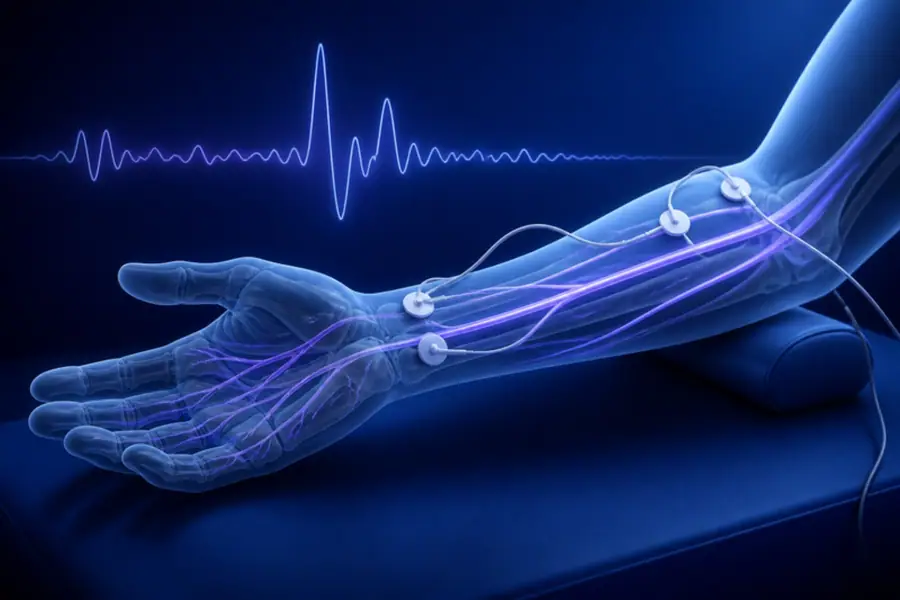
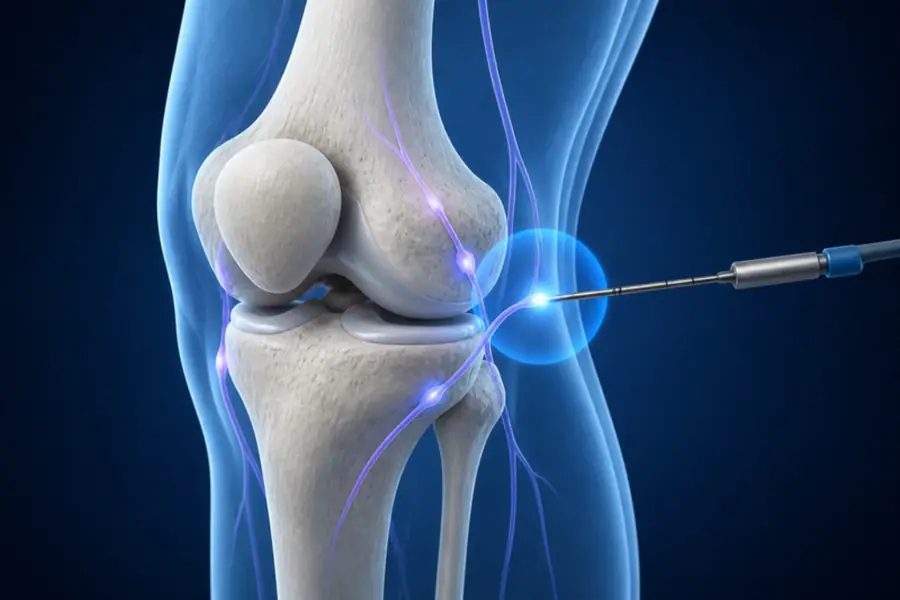
- EMG and nerve conduction studies to confirm nerve root damage, assess its severity and age, and exclude other causes such as carpal tunnel syndrome or neuropathy
- X-rays or CT in selected cases
Why EMG matters
When the MRI shows several disc bulges, EMG can identify which nerve root is actually damaged. It also shows whether the damage is ongoing, which supports decisions about surgery. And it can reveal that symptoms come from another cause — for example carpal tunnel syndrome mimicking a neck problem.
How is Herniated disc and pinched nerve treated?
Non-surgical treatment
Most people improve within six to twelve weeks without surgery.
- Staying active within the limits of pain; prolonged bed rest is not recommended
- Pain relief and medicines for nerve pain
- Physiotherapy and targeted exercises
- Epidural steroid injections or nerve root blocks for persistent pain
- Ergonomic advice and weight control
When surgery is considered
- Progressive or significant weakness
- Cauda equina syndrome or spinal cord compression (urgent)
- Severe pain that does not respond to adequate non-surgical treatment
- Recurrent episodes significantly affecting quality of life
When surgery is indicated, referral is made to an experienced spine surgeon.
Pain management for daily life
Short walks several times a day, changing position frequently, using a supportive chair, applying heat or cold and sleeping on your side with a pillow between the knees can ease pain. Medicines for nerve pain are often more helpful than ordinary painkillers when the pain radiates down the leg or arm.
Treatment timeline and your stay in Istanbul
The consultation takes about 45 minutes; EMG takes a further 30–60 minutes and can usually be done on the same day.
For international patients, the assessment, MRI review and EMG can be completed in one day in Istanbul, giving a clear basis for treatment decisions.
Follow-up after treatment
- Return to normal activities gradually
- Continue the exercises taught by the physiotherapist
- Avoid heavy lifting and prolonged sitting in the acute phase
- Seek urgent review for new weakness or bladder problems
- A repeat EMG may be useful to assess recovery
Preventing recurrence
Strengthening the core and back muscles, maintaining a healthy weight, lifting correctly with bent knees, taking regular breaks from sitting and staying physically active reduce the risk of further episodes. A physiotherapist can design an individual exercise programme.
Risks and what to watch for
Untreated severe nerve compression can lead to permanent weakness or numbness. Medicines can cause side effects such as stomach problems or drowsiness. Injections and surgery carry their own risks, which are discussed in detail before any decision.
Frequently asked questions about Herniated disc and pinched nerve
Does every herniated disc need surgery?
No. Most people improve within weeks to months with non-surgical treatment. Surgery is considered for significant weakness, bladder problems or persistent severe pain.
My MRI shows several disc bulges. Which one causes my pain?
The neurological examination and EMG help to determine which nerve root is affected and whether the MRI findings match the symptoms.
Should I stay in bed?
No. Short periods of rest may help in severe pain, but staying as active as possible speeds recovery.
Can a herniated disc heal by itself?
Yes. The herniated material often shrinks over time as the body reabsorbs it.
What is the difference between sciatica and back pain?
Back pain is felt in the lower back. Sciatica is pain radiating down the leg along the sciatic nerve, often due to a pinched nerve root.
Can neck problems cause hand numbness?
Yes. A pinched nerve in the neck can cause numbness in the hand, which can be confused with carpal tunnel syndrome; EMG helps to distinguish them.
Can I fly with sciatica?
Usually yes. Walk in the aisle when possible, use a lumbar support and avoid lifting heavy bags.
What if pain continues after surgery?
Persistent pain should be reassessed with examination, MRI and EMG to determine whether there is ongoing compression, nerve damage or another cause.
Can I get a second opinion before spinal surgery?
Yes. A neurological assessment with review of your MRI and an EMG can help confirm whether surgery is the right option.
Is spinal stenosis the same as a herniated disc?
No. Spinal stenosis is a narrowing of the spinal canal, usually due to age-related changes, causing leg pain and fatigue when walking that improves with sitting or bending forward.
Can a herniated disc cause numbness without pain?
Yes. Sometimes numbness or weakness is the main symptom. Weakness in particular should be assessed promptly, as it may indicate significant nerve compression.
This page is for general information only and does not replace a medical consultation. Please consult a physician for diagnosis and treatment. Results vary from person to person.