What is Narcolepsy?
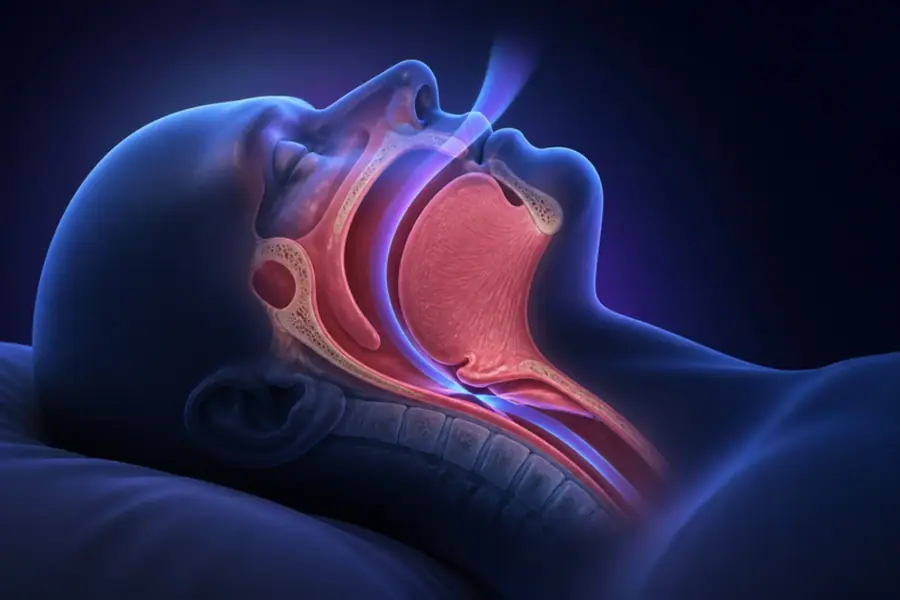
A healthy brain keeps us awake during the day and asleep at night. In narcolepsy this balance breaks down: sleep intrudes into wakefulness at unexpected times, and night-time sleep is fragmented. Features that normally belong only to dreaming (REM) sleep — muscle relaxation and dream-like experiences — can appear while awake.
In type 1 narcolepsy, the brain cells that produce hypocretin (orexin), a substance that maintains wakefulness, are largely lost — probably through an immune process. Its hallmark symptom is cataplexy. In type 2 narcolepsy there is no cataplexy and hypocretin levels are usually normal.
Narcolepsy usually begins in adolescence or young adulthood. Because its symptoms are often mistaken for laziness, attention problems, depression or simply not enough sleep, the diagnosis can take years. Narcolepsy is lifelong, but its symptoms can be controlled very effectively.
Conditions that can be confused with narcolepsy
Excessive daytime sleepiness has many causes: insufficient night-time sleep, sleep apnea, depression, medicines, thyroid disease and idiopathic hypersomnia. In idiopathic hypersomnia people sleep very long but still wake unrefreshed and find it very hard to wake up, without cataplexy or early REM sleep. That is why an overnight sleep study and an MSLT are performed together.
Symptoms of Narcolepsy
- Excessive daytime sleepiness: irresistible sleep attacks despite enough night-time sleep — falling asleep in class, meetings, meals or even mid-conversation
- Cataplexy: sudden loss of muscle strength lasting seconds to minutes, triggered by strong emotions such as laughter, surprise or anger — knees buckling, head dropping, jaw sagging — with consciousness preserved
- Sleep paralysis: being unable to move or speak for seconds to minutes while falling asleep or waking
- Hypnagogic / hypnopompic hallucinations: vivid, often frightening experiences while falling asleep or waking
- Fragmented night-time sleep
- Automatic behaviour: carrying out routine tasks in a half-asleep state without remembering
Not everyone has all symptoms. Daytime sleepiness is present in almost everyone; cataplexy is specific to type 1 narcolepsy.
When should you see a neurologist?
- Daily excessive sleepiness despite enough night-time sleep
- Knees buckling or head dropping when laughing or surprised
- Frequent sleep paralysis and vivid hallucinations
- Falling asleep at school or work and declining performance
- Dozing while driving
- Persistent daytime sleepiness despite treated sleep apnea
If you have excessive daytime sleepiness, avoid driving and working with dangerous machinery until you have been assessed and treated.
How is Narcolepsy diagnosed?
Narcolepsy is diagnosed with a detailed sleep history, a neurological examination and specific sleep tests. For at least 1–2 weeks before testing you will be asked to keep regular sleep times and a sleep diary. Some medicines — especially certain antidepressants — can affect the results and may need adjusting beforehand under supervision.
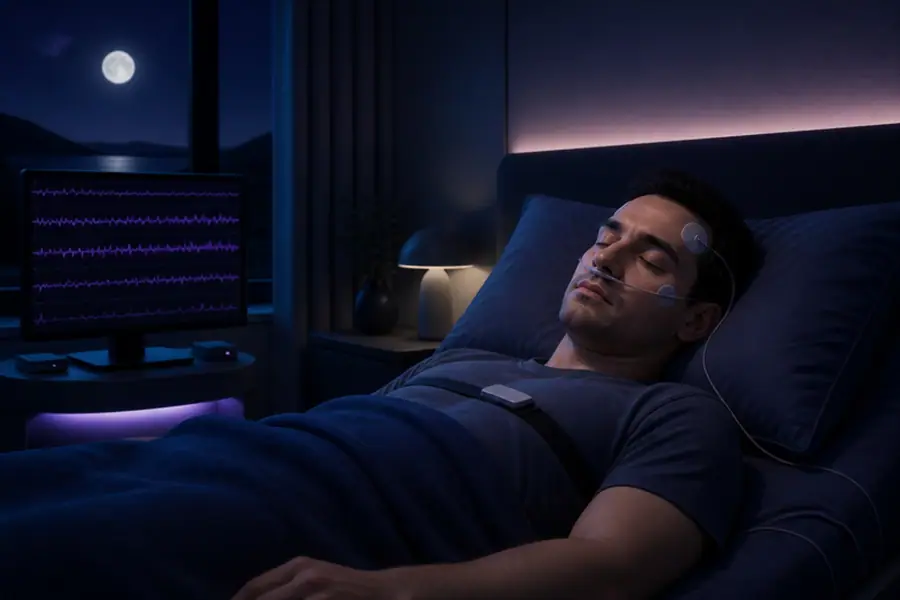
- Polysomnography (overnight sleep study): confirms adequate night-time sleep and excludes other causes of sleepiness such as sleep apnea
- Multiple sleep latency test (MSLT): the day after the overnight study, four or five 20-minute nap opportunities are offered two hours apart. How quickly you fall asleep and whether REM sleep appears early are measured. An average sleep latency of 8 minutes or less with early REM sleep in at least two naps supports narcolepsy
- Hypocretin measurement in spinal fluid: in selected cases to confirm type 1 narcolepsy
- Blood tests and imaging: when needed to exclude other causes
How is Narcolepsy treated?
Treatment aims to control symptoms and bring daily life as close to normal as possible, and is tailored to each person.
Lifestyle
- Going to bed and getting up at the same time every day, with enough night-time sleep
- Planned short naps of 15–20 minutes during the day
- Being aware that heavy, carbohydrate-rich meals increase sleepiness
- Avoiding alcohol and sedatives
- Regular exercise
- Informing school or the workplace so that adjustments can be made
Medication
Wake-promoting medicines are used to reduce daytime sleepiness. Cataplexy, sleep paralysis and hallucinations are treated with medicines that suppress REM sleep; some medicines help both sleepiness and cataplexy. The choice depends on symptom severity, age, other conditions and pregnancy plans, and doses are adjusted over time.
Support
Narcolepsy can affect school, work, driving and social life, so informing patients and families about the condition is important. Depression and anxiety, which are more common in narcolepsy, are also addressed.
Treatment timeline and your stay in Istanbul
The first consultation takes about 45 minutes. The overnight study and the next-day MSLT together take about 24 hours; the report may take a few days. In the first months after starting treatment, follow-up is more frequent for dose adjustment.
For international patients, the consultation, polysomnography and MSLT can be planned into a 2–3 day stay in Istanbul. The two-week sleep schedule and any medication adjustments before the test are planned during the online pre-consultation.
Follow-up after treatment
- Keep your sleep schedule and planned naps
- Take medicines at the recommended times; do not take daytime medicines in the evening
- Do not drive until sleepiness is controlled
- Some medicines require regular checks of blood pressure, heart rate and weight
- If you are planning a pregnancy, review your medicines with your doctor beforehand
School and work
Students with narcolepsy may benefit from extra exam time, short naps between lessons and informed teachers. For people in work, avoiding shift work and long-distance driving, planned breaks and an informed workplace can help. A medical letter can be provided to support these adjustments.
Risks and what to watch for
Untreated narcolepsy increases the risk of road and workplace accidents, falling school and work performance, social isolation and depression. Medicines may cause headache, loss of appetite, irritability, insomnia and increases in blood pressure and heart rate, and some reduce the effectiveness of contraceptive pills. Treatment should therefore be followed by a specialist.
Frequently asked questions about Narcolepsy
How is narcolepsy different from just being tired?
In narcolepsy, sleepiness is involuntary and occurs every day despite enough night-time sleep, with irresistible sleep attacks at inappropriate times. It is diagnosed objectively with an overnight sleep study and the next-day MSLT.
What is cataplexy and how is it different from fainting?
Cataplexy is a sudden loss of muscle strength triggered by strong emotions such as laughter or surprise. Unlike fainting, the person stays conscious, hears what is happening and remembers it. Attacks usually pass within seconds.
Can narcolepsy be cured?
Narcolepsy is lifelong and there is no permanent cure yet. However, regular sleep habits, planned naps and medication can control symptoms very well, and most people continue to study and work.
Can people with narcolepsy drive?
Driving with uncontrolled sleepiness is dangerous. For people who respond well to treatment, fitness to drive is decided by the doctor according to local regulations.
How is the MSLT performed?
The day after the overnight sleep study, you are given four or five 20-minute opportunities to nap in a dark, quiet room, two hours apart. The time taken to fall asleep and whether REM sleep occurs are measured. The test is painless and takes most of the day.
Is narcolepsy hereditary?
Most people with narcolepsy have no family history, although some genetic factors increase susceptibility. The risk in first-degree relatives is slightly higher than in the general population.
Is sleep paralysis always a sign of narcolepsy?
No. Sleep paralysis can occur occasionally in healthy people, especially during sleep deprivation or irregular sleep. If it is frequent and comes with excessive daytime sleepiness, a narcolepsy assessment is recommended.
I take antidepressants — should I stop them before the MSLT?
Some antidepressants suppress REM sleep and can affect the result, but do not stop them on your own. Whether and when they should be adjusted before the test is planned with your doctor.
This page is for general information only and does not replace a medical consultation. Please consult a physician for diagnosis and treatment. Results vary from person to person.