What is Myasthenia gravis and muscle diseases?
Muscles contract when a nerve releases a chemical messenger (acetylcholine) that binds to receptors on the muscle. In myasthenia gravis, the immune system produces antibodies that block or destroy these receptors at the neuromuscular junction. As a result, muscles tire quickly with repeated use.
Myasthenia gravis can occur at any age. It is more common in younger women and in older men. In some people, it is associated with an abnormality of the thymus gland, an organ in the chest involved in immune function.
Ocular and generalised myasthenia
In ocular myasthenia, only the muscles of the eyelids and eyes are affected. In generalised myasthenia, weakness also affects the face, throat, neck, arms and legs, and sometimes the breathing muscles.
Other muscle diseases
Weakness can also be caused by inflammatory muscle diseases (myositis), muscular dystrophies, metabolic and thyroid-related myopathies and medication side effects, for example from statins. These are assessed with blood tests including CK, EMG and, if needed, MRI of the muscles, genetic tests or muscle biopsy.
Why the diagnosis is often delayed
Because symptoms vary throughout the day and may be mild in the morning, myasthenia gravis is sometimes mistaken for tiredness, eye problems, stress or a stroke. Drooping eyelids may be attributed to ageing and double vision to eye muscle problems. Recognising the typical pattern of fatigable weakness is key to an early diagnosis.
Symptoms of Myasthenia gravis and muscle diseases
- Drooping of one or both eyelids, often worse in the evening
- Double vision
- Weakness of facial muscles, difficulty smiling
- Difficulty chewing, swallowing or speaking — especially later in a meal or conversation
- Nasal or slurred speech
- Weakness of the neck, arms or legs that worsens with use
- Shortness of breath in severe cases
Difficulty breathing or swallowing in a person with myasthenia gravis is an emergency (myasthenic crisis). Call 112 immediately.
Typical daily pattern
Many people feel almost normal in the morning, notice drooping eyelids or double vision while reading or watching television in the evening, and find that speech becomes nasal or chewing tiring towards the end of a meal. Heat, infections, emotional stress and menstruation can temporarily worsen symptoms.
When should you see a neurologist?
- Drooping eyelids or double vision that varies through the day
- Fatigable weakness of the face, throat or limbs
- Known myasthenia gravis with worsening symptoms
- Unexplained muscle weakness, pain or raised CK levels
- For a second opinion on diagnosis or treatment
How is Myasthenia gravis and muscle diseases diagnosed?
- Neurological examination including tests of fatigability
- Antibody tests: acetylcholine receptor antibodies and, if negative, MuSK and other antibodies
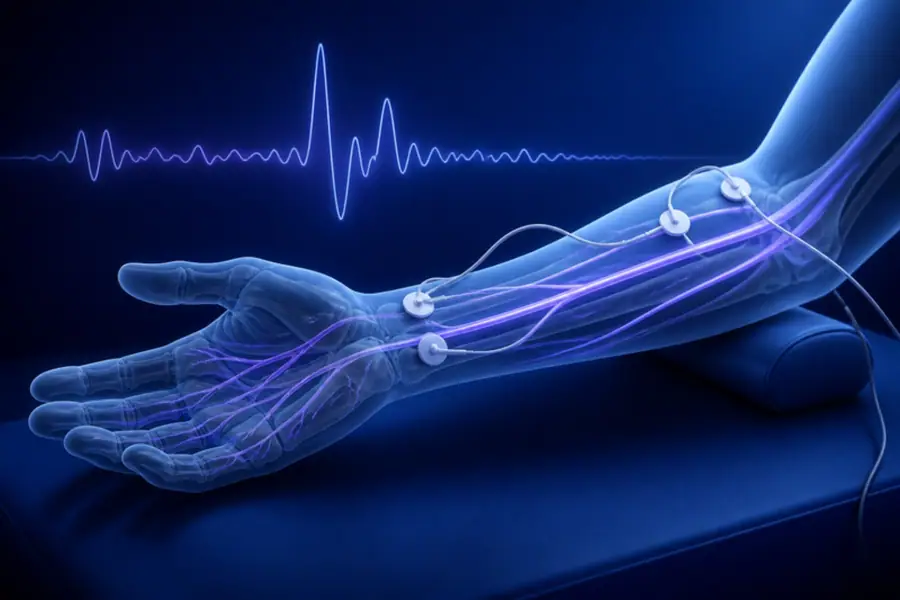
- Repetitive nerve stimulation and single-fibre EMG to show impaired neuromuscular transmission
- CT or MRI of the chest to examine the thymus
- Thyroid function and other blood tests
- For other muscle diseases: CK, EMG, muscle MRI, genetic tests or biopsy
How is Myasthenia gravis and muscle diseases treated?
Symptomatic treatment
Medicines that increase the availability of acetylcholine at the neuromuscular junction improve strength and are often the first treatment.
Immunotherapy
Corticosteroids and other immunosuppressive medicines reduce the immune attack. Newer targeted therapies are available for selected patients with generalised myasthenia. Intravenous immunoglobulin or plasma exchange are used for severe exacerbations or before surgery.
Thymectomy
Surgical removal of the thymus is recommended for people with a thymoma and for selected patients with generalised myasthenia, as it can improve the long-term course.
Long-term care
The aim of treatment is to achieve minimal symptoms with the lowest possible dose of immunosuppressive medicine. Treatment is adjusted gradually and side effects are monitored with regular blood tests, blood pressure, blood sugar and bone density checks. A written emergency plan and a list of medicines to avoid are provided.
Treatment timeline and your stay in Istanbul
The consultation takes 45–60 minutes; EMG and blood tests can be performed on the same day. Follow-up is usually every three to six months, more frequently when treatment is being adjusted.
For international patients, the diagnostic assessment can be completed in 1–2 days in Istanbul, with follow-up online.
Follow-up after treatment
- Take medication exactly as prescribed
- Carry a list of medicines to avoid — some antibiotics, heart medicines and muscle relaxants can worsen myasthenia
- Plan rest periods during the day
- Get vaccinated against influenza and pneumococcus as advised (avoid live vaccines on immunosuppression)
- Seek urgent help for breathing or swallowing problems
Emergency plan
Every person with generalised myasthenia should know the warning signs of a crisis — increasing difficulty swallowing, choking, weak cough and shortness of breath, especially when lying flat — and have a clear plan for seeking urgent care. Family members should also be aware of these signs.
Risks and what to watch for
Untreated generalised myasthenia can cause swallowing and breathing problems. Long-term corticosteroids and immunosuppressants have side effects such as weight gain, raised blood sugar, bone thinning and infection risk; these are monitored and minimised. Certain medicines can trigger worsening, so all new medications should be checked.
Frequently asked questions about Myasthenia gravis and muscle diseases
Is myasthenia gravis curable?
It is a long-term condition, but most people achieve good control with treatment, and some go into remission.
Why is my weakness worse in the evening?
In myasthenia gravis, muscles tire with repeated use, so weakness typically increases during the day and improves with rest.
Which medicines should I avoid?
Some antibiotics, certain heart and blood pressure medicines, magnesium and some anaesthetic drugs can worsen myasthenia. Always tell doctors that you have myasthenia gravis.
Can I become pregnant with myasthenia gravis?
Yes. Pregnancy should be planned with your neurologist so that treatment can be adjusted safely.
What is the thymus and why does it matter?
The thymus is an immune organ in the chest. Abnormalities of the thymus are common in myasthenia gravis, and removing it can improve the course in selected patients.
Can stress make myasthenia worse?
Yes. Stress, infections, heat, lack of sleep and certain medicines can worsen symptoms.
What if antibody tests are negative?
Some people with myasthenia have negative standard antibodies. Additional antibody tests and single-fibre EMG help to make the diagnosis.
Can statins cause muscle weakness?
Statins can cause muscle pain and, rarely, a muscle disease. If you develop weakness or pain on statins, CK levels and an assessment are recommended.
Can myasthenia affect only the eyes?
Yes. In ocular myasthenia only the eyelids and eye muscles are affected. Some people later develop generalised symptoms, so follow-up is important, particularly in the first two years.
Can I exercise with myasthenia gravis?
Yes. Moderate, regular exercise with adequate rest is beneficial for most people with stable myasthenia. Avoid exhaustion and exercising in extreme heat.
Can I travel with myasthenia gravis?
Yes, when the disease is stable. Carry your medicines and an emergency card, plan rest periods and avoid becoming overheated or dehydrated.
Does myasthenia gravis affect thinking or sensation?
No. Myasthenia affects only muscle strength. Numbness, pain or memory problems suggest another cause and should be assessed separately.
Is myasthenia gravis hereditary?
Autoimmune myasthenia gravis is not directly inherited. Rare congenital myasthenic syndromes are genetic and usually start in childhood.
This page is for general information only and does not replace a medical consultation. Please consult a physician for diagnosis and treatment. Results vary from person to person.