What is Video-EEG monitoring?
Many episodes — blackouts, falls, shaking, staring spells, unusual behaviour during sleep — look similar from the outside but have very different causes. Some are epileptic seizures, while others are fainting, sleep disorders, movement disorders or psychogenic non-epileptic seizures. Treatment is completely different for each, so an accurate diagnosis is essential.
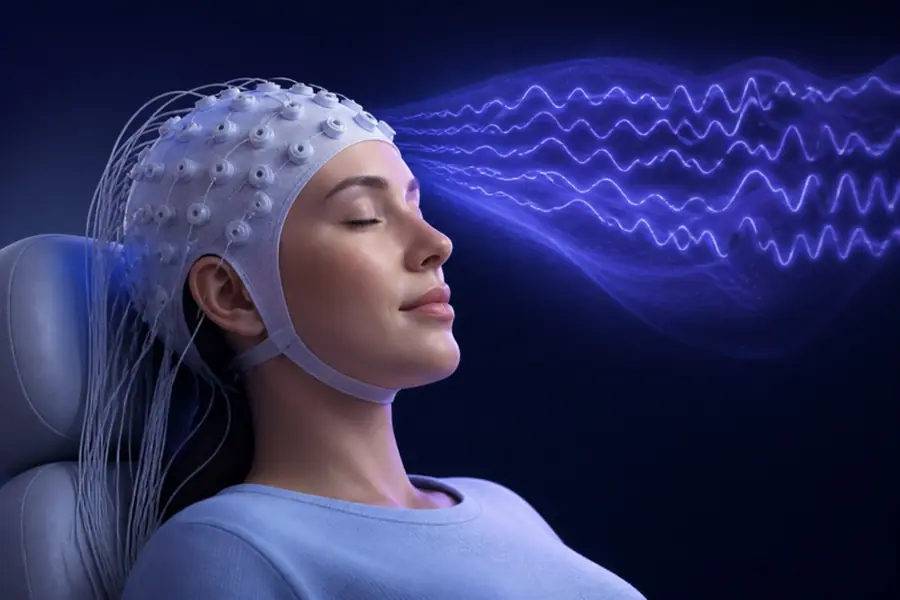
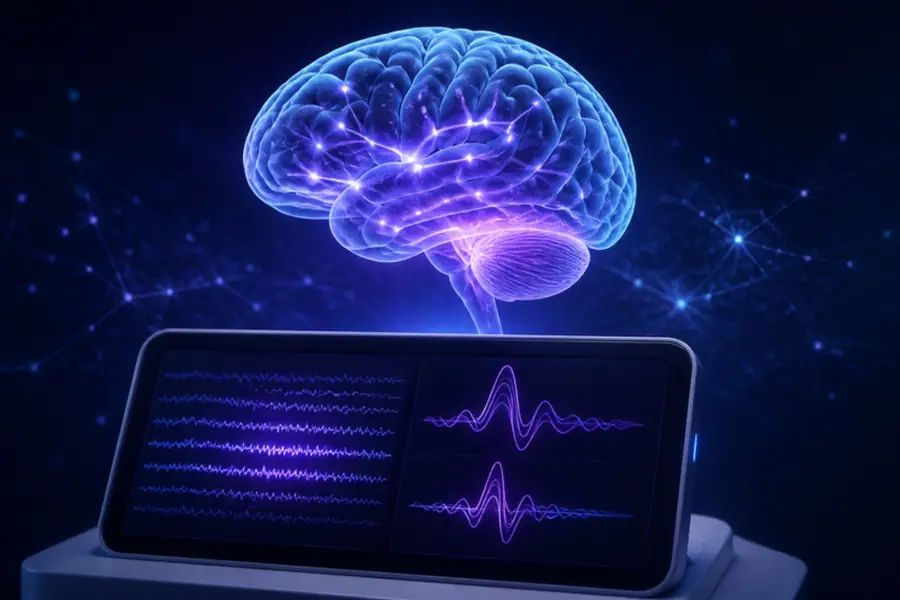
In video-EEG monitoring, EEG electrodes record brain activity continuously while one or more cameras record your movements. When an episode occurs, the neurologist can compare second by second what the body did and what the brain did. If the EEG shows a seizure pattern during the episode, the diagnosis of epilepsy is confirmed; if the brain activity remains normal during a typical episode, an epileptic cause becomes unlikely.
Main goals of video-EEG
- Diagnosis: are the episodes epileptic or non-epileptic?
- Classification: what type of seizure and epilepsy syndrome is it?
- Localisation: where in the brain do the seizures start? This is crucial for people being assessed for epilepsy surgery
- Quantification: how frequent are the seizures and discharges, especially those occurring during sleep or unnoticed by the patient?
Why capturing an episode matters
Descriptions of episodes, even by close family members, are often incomplete because people are frightened, the episode is brief or it happens at night. Studies show that a significant proportion of people referred with “drug-resistant epilepsy” actually have a different condition such as psychogenic non-epileptic seizures, fainting or a sleep disorder. In these people, anti-seizure medicines do not help and may cause unnecessary side effects. Video-EEG can end years of uncertainty by recording the episode itself.
Smartphone videos
Before monitoring, a smartphone video of a typical episode recorded by a family member is extremely valuable. Try to record from the very beginning, show the whole body and face, and continue until the person has fully recovered. Ask the person questions during and after the episode to show their level of awareness.
When is it requested?
- Episodes whose nature is unclear despite routine EEG and MRI
- Seizures that continue despite trying two or more appropriate anti-seizure medicines (drug-resistant epilepsy)
- Suspected psychogenic non-epileptic seizures
- Unusual behaviour, movements or confusion during sleep
- Frequent unexplained falls or blackouts
- Assessment before epilepsy surgery
- Need to count seizures accurately, for example in children with frequent brief seizures
Who needs Video-EEG monitoring?
Video-EEG monitoring can be performed in adults and children. In some cases, anti-seizure medication is gradually reduced under close supervision to increase the chance of capturing a seizure; this is only done in a monitored setting with staff ready to respond.
A family member or companion who has seen your episodes is very valuable during monitoring, as they can confirm whether the captured episode is typical.
How to prepare
- Bring a detailed description and, if possible, smartphone videos of your episodes
- Bring all previous EEG, MRI and medical reports and a complete list of your medicines
- Wash your hair before admission and do not use hair products
- Bring comfortable, button-up clothing and things to keep yourself occupied
- Do not change your medication unless instructed
- Plan for a companion to stay with you if required
How is Video-EEG monitoring performed?
- Electrodes are attached to the scalp with a special adhesive for long-term recording
- You stay in a room equipped with cameras and microphones
- You can read, watch TV, use your phone (within limits) and receive visitors
- If an episode starts, you or your companion press an event button
- Staff may test your awareness, speech and memory during an episode
- Activation methods such as sleep deprivation, hyperventilation or flashing lights may be used
- The neurologist reviews the recordings daily
Duration, results and your stay in Istanbul
Short video-EEG recordings may last a few hours, while monitoring to capture episodes typically takes two to five days. The duration depends on how frequent your episodes are and the purpose of the test.
For international patients, the length of stay is planned during an online pre-consultation based on the frequency of episodes. Results are explained in English before you leave and summarised in a written report.
After the test
- If medication was reduced, it is restarted before discharge
- The adhesive is removed and hair can be washed
- The results are discussed with you and your family
- A treatment plan is made — this may involve medication changes, further tests for surgery, or another approach if the episodes are not epileptic
Possible outcomes
- Epilepsy confirmed: the type of seizure and the area of onset guide the choice of medication
- Drug-resistant focal epilepsy: if seizures start from one area, assessment for epilepsy surgery may be recommended
- Non-epileptic episodes: anti-seizure medicines can often be reduced and appropriate treatment — for example psychotherapy for psychogenic seizures or cardiological assessment for fainting — is planned
- No episode captured: the findings guide whether repeat monitoring or other tests are needed
Risks and safety
Video-EEG is safe. The main risk is having a seizure during monitoring, especially if medication is reduced — but this happens in a controlled environment with trained staff. Injuries from falls are minimised by safety measures. The adhesive may irritate the skin, and staying in one room for several days can be tiring.
Frequently asked questions about Video-EEG monitoring
What if I do not have an episode during monitoring?
This can happen. Even without episodes, the recording may show useful information, especially during sleep. Sometimes monitoring is extended or repeated later.
Will my medication be stopped?
Only if it is necessary to capture seizures, and only gradually under close supervision. This decision is discussed with you beforehand.
Can video-EEG distinguish epilepsy from psychogenic seizures?
Yes. This is one of its most important uses. Capturing a typical episode with video and EEG is the most reliable way to make this distinction.
Can I have visitors?
Yes, usually. A companion who has seen your episodes is particularly helpful.
Is video-EEG needed before epilepsy surgery?
Yes. Recording several typical seizures helps to identify where they start, which is essential for planning surgery.
Who sees the videos?
Only the medical team involved in your care. The recordings are part of your confidential medical record and protected under data protection rules.
Can children have video-EEG?
Yes. A parent stays with the child throughout, and the setting is adapted to make the stay as comfortable as possible.
Can I bring my laptop or phone?
Yes, usually. You may be asked to limit use at certain times or to avoid blocking the camera. Some activities such as screens may even be used intentionally if they trigger episodes.
What happens if I have a seizure during monitoring?
Trained staff respond immediately to keep you safe, observe the seizure and test your awareness. If necessary, emergency medication is given.
How should I prepare my family for the monitoring?
Ask the family member who has seen most of your episodes to come with you if possible. They can confirm whether a recorded episode is typical, describe what usually happens before and after, and press the event button if you cannot.
Will I receive a written report?
Yes. A written report summarising the captured episodes, EEG findings and conclusion is provided, and an English summary can be prepared for your doctor at home.
This page is for general information only and does not replace a medical consultation. Please consult a physician for diagnosis and treatment. Results vary from person to person.