What is Peripheral and diabetic neuropathy?
The peripheral nerves carry sensation from the skin to the brain, control the muscles and regulate automatic functions such as blood pressure, sweating and digestion. In polyneuropathy, many nerves are affected, usually symmetrically, starting with the longest nerves — those reaching the toes. This is why symptoms typically begin in the feet and later spread to the hands in a “stocking-and-glove” pattern.
Common causes
- Diabetes and prediabetes — the most common cause worldwide
- Vitamin B12 deficiency, including from long-term metformin or stomach acid medicines
- Alcohol
- Thyroid disorders and kidney disease
- Chemotherapy and certain other medicines
- Autoimmune and inflammatory conditions, including Guillain–Barré syndrome and CIDP
- Hereditary neuropathies such as Charcot–Marie–Tooth disease
- Infections and blood protein disorders
- In some people no cause is found (idiopathic neuropathy)
Diabetic neuropathy
About half of people with long-standing diabetes develop neuropathy. High blood sugar damages both the nerves and the small blood vessels that supply them. Diabetic neuropathy increases the risk of unnoticed foot injuries, ulcers and infections, so early detection and good foot care are essential. Neuropathy can already appear in prediabetes.
Neuropathy in older adults
Mild neuropathy is common in older age and is often caused by a combination of factors — diabetes or prediabetes, low vitamin B12, kidney function and medicines. Even mild neuropathy reduces balance and increases the risk of falls, particularly together with poor eyesight or medicines that cause dizziness. Identifying and correcting each contributing factor can make a meaningful difference.
Symptoms of Peripheral and diabetic neuropathy
- Numbness or reduced sensation in the feet, as if wearing socks
- Tingling, pins and needles or electric sensations
- Burning pain, often worse at night
- Sensitivity to light touch, for example from bed sheets
- Unsteadiness, especially in the dark
- Weakness of the feet or hands, tripping, difficulty with buttons
- Muscle cramps
- Unnoticed injuries or blisters on the feet
- Dizziness on standing, digestive or bladder problems, erectile dysfunction (autonomic neuropathy)
When should you see a neurologist?
- Numbness, tingling or burning in the feet or hands
- Diabetes with new nerve symptoms
- Neuropathy without a known cause
- Rapidly worsening symptoms or weakness
- Neuropathy with balance problems or falls
- Nerve pain that is not controlled by current treatment
Rapidly progressive weakness of the legs and arms over days, especially after an infection, may indicate Guillain–Barré syndrome and requires emergency care.
How is Peripheral and diabetic neuropathy diagnosed?
- Neurological examination of sensation, reflexes, strength and balance
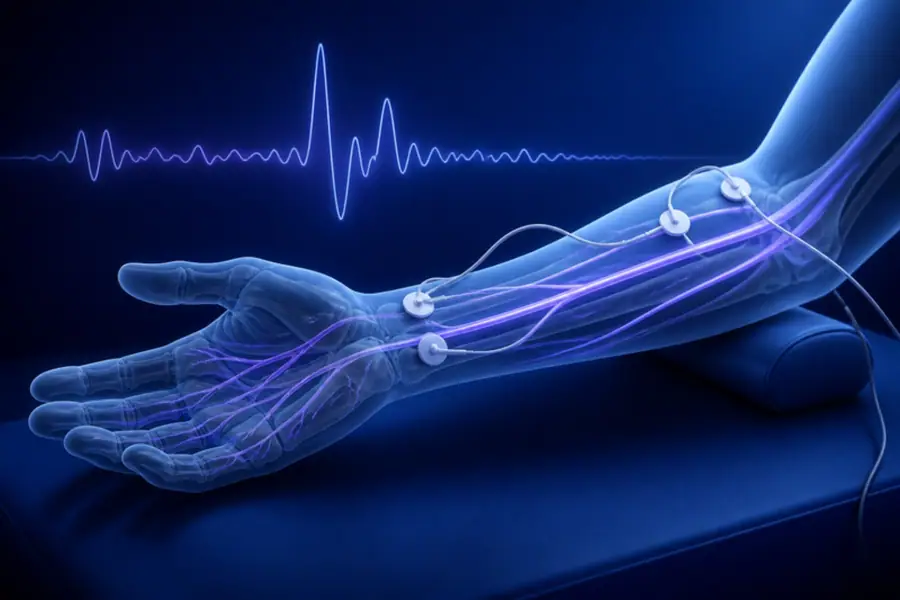
- Nerve conduction studies and EMG to confirm neuropathy and determine its type and severity
- Blood tests: blood sugar and HbA1c, vitamin B12, folate, thyroid function, kidney and liver function, protein electrophoresis and other tests as indicated
- Glucose tolerance test if prediabetes is suspected
- In selected cases: autonomic tests, skin biopsy for small fibre neuropathy, genetic tests or nerve biopsy
Small fibre neuropathy
Some people have burning pain in the feet with normal nerve conduction studies. This may be small fibre neuropathy, which affects only the thin nerve fibres carrying pain and temperature sensation and is not detected by standard EMG. Special tests, such as skin biopsy, may be needed.
How is Peripheral and diabetic neuropathy treated?
Treating the cause
The first step is to treat the underlying cause wherever possible: good blood sugar control in diabetes, vitamin B12 replacement, stopping alcohol, adjusting medicines, and treating thyroid, kidney or autoimmune disease. This can stop progression and in some cases allow partial recovery.
Treatment of nerve pain
Neuropathic pain does not respond well to ordinary painkillers. Medicines that calm overactive nerves — certain antidepressants and anti-seizure medicines — are used, starting at low doses. Topical treatments such as lidocaine or capsaicin patches can help localised pain.
Balance and foot care
- Inspect your feet daily for wounds, blisters and colour changes
- Wear comfortable, well-fitting shoes; never walk barefoot
- Check bath water temperature with your elbow
- Have toenails cut carefully and see a podiatrist if needed
- Balance exercises and physiotherapy to reduce falls
- Good lighting at night
Sleep and nerve pain
Nerve pain often disturbs sleep, and poor sleep in turn makes pain feel worse. Taking evening doses of nerve pain medication at the right time, keeping the feet comfortably warm, using a bed cradle to keep sheets off the feet, and treating sleep problems can break this cycle.
Treatment timeline and your stay in Istanbul
The consultation and EMG together take about 1.5 hours. Blood tests can be taken on the same day. Follow-up is usually every six to twelve months, or earlier when treatment is being adjusted.
For international patients, the full assessment — consultation, EMG and blood tests — can usually be completed in one day in Istanbul.
Follow-up after treatment
- Keep blood sugar, blood pressure and cholesterol under control
- Take vitamin B12 if deficient and recheck levels
- Avoid alcohol
- Stay active — regular walking helps
- Report new wounds on the feet promptly
Risks and what to watch for
Untreated neuropathy can lead to foot ulcers, infections, falls and, in severe diabetic cases, amputation. Medicines for nerve pain may cause dizziness, sleepiness, weight gain or dry mouth; doses are increased slowly to reduce side effects.
Frequently asked questions about Peripheral and diabetic neuropathy
Can neuropathy be reversed?
It depends on the cause. Neuropathy due to vitamin B12 deficiency, alcohol or certain medicines may improve partially when the cause is treated. In diabetes, good control can slow or stop progression.
Why does the pain get worse at night?
With fewer distractions at night, the brain notices pain signals more. Cooling of the feet and contact with bed sheets can also trigger symptoms.
Can I have neuropathy without diabetes?
Yes. Vitamin B12 deficiency, alcohol, thyroid disease, kidney disease, medicines, autoimmune and hereditary conditions can all cause neuropathy.
Does metformin cause neuropathy?
Metformin itself does not damage nerves, but long-term use can reduce vitamin B12 levels, which can cause or worsen neuropathy. B12 levels should be checked regularly.
Is EMG necessary?
EMG confirms neuropathy, shows its type and severity and helps narrow down the cause. It is also useful for monitoring over time.
Can supplements help?
Correcting a proven deficiency is useful. Other supplements, such as alpha-lipoic acid, may help some people but should be discussed with your doctor.
Why am I unsteady when I close my eyes?
Neuropathy reduces position sense in the feet, so you rely more on your eyes for balance. In the dark or with eyes closed, unsteadiness becomes more obvious.
Can neuropathy affect the heart and digestion?
Yes. Autonomic neuropathy can affect blood pressure, heart rate, digestion, bladder function and sweating, particularly in long-standing diabetes.
Can the assessment be done in one visit?
Yes. Consultation, EMG and blood tests can usually be completed in a single day, with results explained before you leave.
Should I avoid exercise if I have neuropathy?
No. Regular exercise such as walking, cycling or swimming improves circulation, blood sugar control and balance. Wear protective footwear and check your feet after exercise.
How often should neuropathy be checked?
Usually every six to twelve months, or sooner if symptoms change. People with diabetes should also have their feet examined at least once a year.
Can neuropathy cause falls?
Yes. Reduced sensation in the feet impairs balance, especially in the dark or on uneven ground. Balance training, good lighting, proper footwear and reviewing medicines that cause dizziness reduce the risk.
This page is for general information only and does not replace a medical consultation. Please consult a physician for diagnosis and treatment. Results vary from person to person.