What is EEG (electroencephalography)?
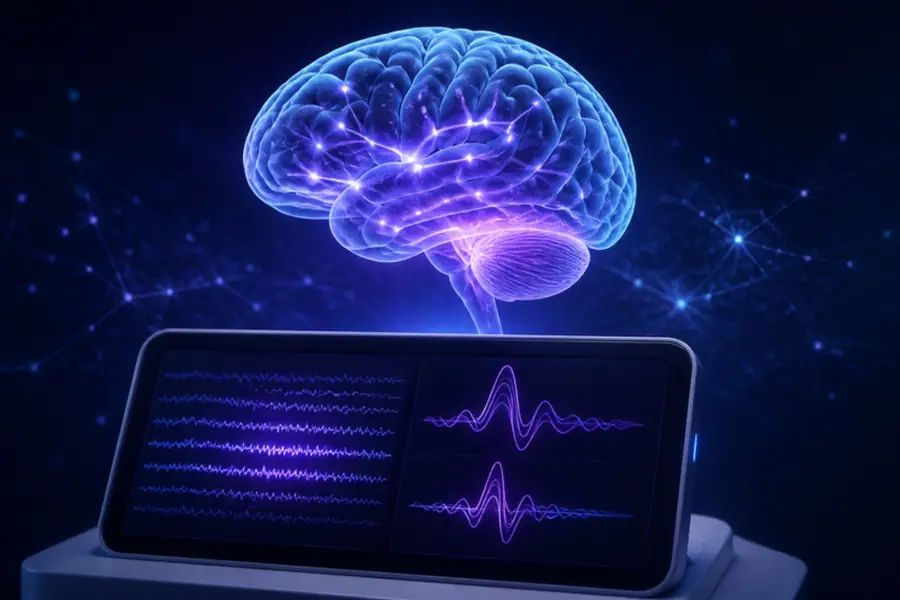
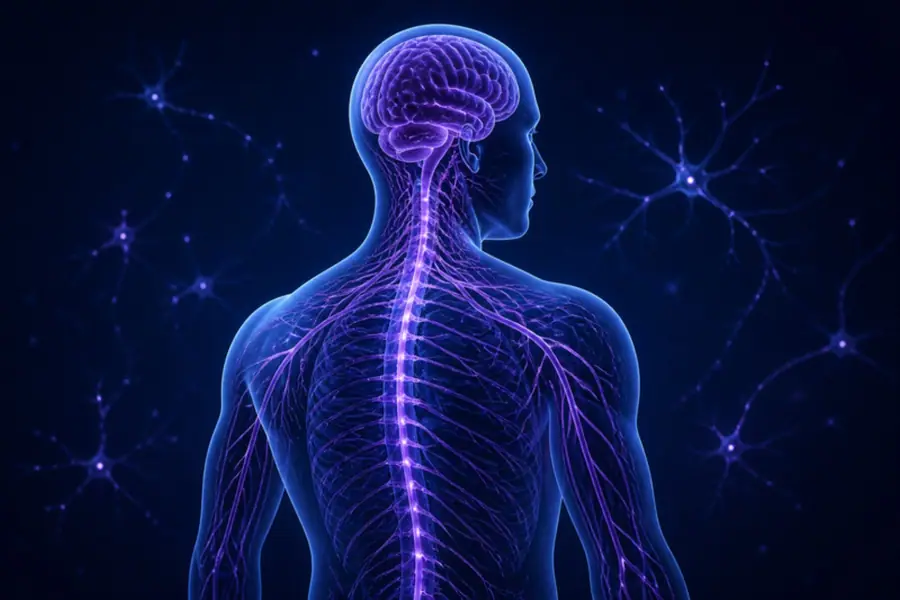
The brain’s billions of nerve cells communicate through tiny electrical signals. When large groups of cells work together, these signals form rhythmic patterns called brain waves. An electroencephalogram (EEG) records these waves from the surface of the scalp and displays them as lines on a screen.
Brain waves change with age and with the state of the brain — wakefulness, drowsiness and sleep. A specialist reading the EEG looks at the background rhythm, its symmetry between the two halves of the brain, and any abnormal patterns. In epilepsy, characteristic epileptiform discharges — sharp waves, spikes or spike-and-wave complexes — may be seen, even between seizures.
An EEG does not measure intelligence, thoughts or emotions, and it does not deliver any electricity into the head. It only listens to the activity that the brain naturally produces.
What an EEG can and cannot show
- It can support a diagnosis of epilepsy and help determine the type of epilepsy
- It can show whether seizures start in one area of the brain (focal) or in both hemispheres at once (generalised)
- It can reveal slowing of brain activity in encephalopathy, infections or after a head injury
- A normal EEG does not rule out epilepsy — abnormal activity may not appear during a short recording
- An abnormal EEG alone does not always mean epilepsy; findings are always interpreted together with the clinical history
When is it requested?
An EEG is commonly requested in the following situations:
- A first seizure or suspected epileptic seizure
- Follow-up of known epilepsy, especially when considering changes or withdrawal of medication
- Brief absences, staring spells or unexplained episodes of unresponsiveness
- Fainting or loss of consciousness where the cause is unclear
- Sudden jerks, unusual movements or sensations
- Confusion, altered consciousness or suspected encephalopathy
- Memory problems or behavioural changes in certain situations
- After a head injury, brain infection or stroke when seizures are suspected
Who needs EEG (electroencephalography)?
An EEG can be performed safely at any age, from newborns to older adults, and during pregnancy. There is no radiation and no injection. People with epilepsy can usually continue their medication as normal unless their doctor advises otherwise.
Types of EEG
- Routine EEG: a 20–40 minute recording while awake, including activation procedures
- Sleep-deprived EEG: after a shortened night of sleep, to increase the chance of capturing abnormal activity
- Long-term (ambulatory) EEG: recording over 24–72 hours at home
- Video-EEG monitoring: EEG recorded together with video to capture and characterise actual episodes
How to prepare
- Wash your hair the night before or on the morning of the test; do not use oil, gel, conditioner or hairspray
- Eat as usual — low blood sugar can affect the recording
- Continue your regular medicines unless told otherwise, and bring a list of them
- Avoid caffeine on the day of the test if asked
- If a sleep-deprived EEG is planned, follow the instructions about how much to sleep the night before
- Bring any previous EEG and MRI reports
- If possible, bring a video of your episodes recorded by a family member
How is EEG (electroencephalography) performed?
- You sit in a comfortable chair or lie on a bed
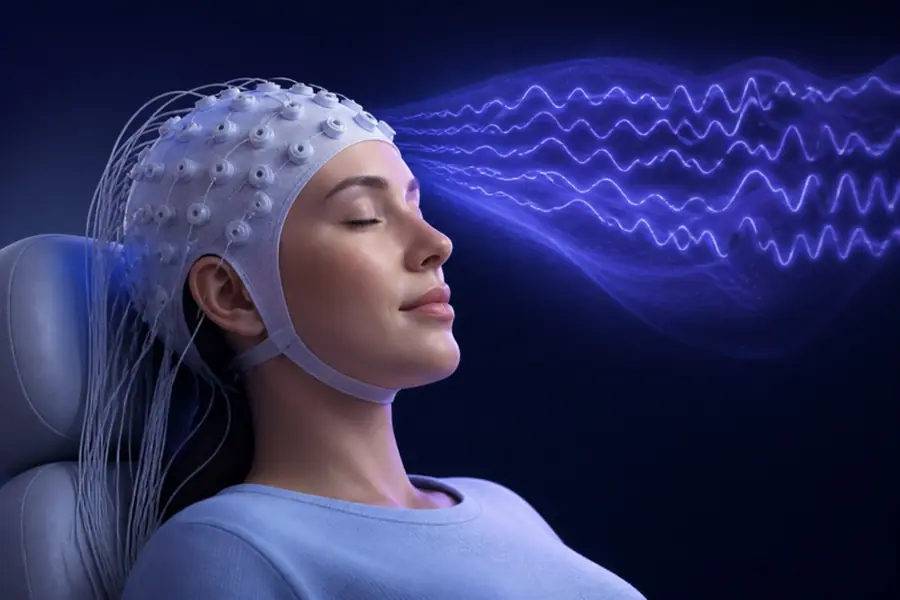
- The technician measures your head and places about 20 small electrodes on the scalp using a conductive paste or a cap
- You are asked to relax with your eyes closed; at intervals you open and close your eyes
- Hyperventilation: you breathe deeply and quickly for about three minutes
- Photic stimulation: a flashing light at different frequencies is shown in front of your eyes
- If you fall asleep during the recording, this is useful — some abnormalities appear more clearly during sleep
- The electrodes are removed and the paste is wiped away
The activation procedures (deep breathing and flashing lights) increase the chance of detecting abnormal activity. Very rarely, they can trigger a seizure in a person with epilepsy; the test is always performed under supervision and with appropriate precautions.
Duration, results and your stay in Istanbul
Preparation takes 15–20 minutes and the recording itself 20–40 minutes; the whole appointment lasts about an hour. The EEG is analysed by a neurologist and the report is usually ready within one or two days, and often on the same day for international patients.
For patients travelling from abroad, the consultation and EEG can usually be completed in one day in Istanbul, with the results explained in English.
What the EEG report contains
The report describes the conditions of the recording (wakefulness, sleep, activation procedures), whether the background rhythm of the brain is normal for your age, any slowing, and the type and location of any epileptiform abnormalities. The technical terms in the report are explained at the consultation in relation to your own symptoms.
After the test
- You can return to your normal activities immediately
- Wash your hair to remove any remaining paste
- If you had a sleep-deprived EEG, avoid driving until you have rested
- The results are discussed together with your history and examination at the consultation
Risks and safety
EEG is a very safe test. There is no pain, radiation or electricity applied to the brain. The paste may cause mild skin irritation in people with sensitive skin. In people with epilepsy, hyperventilation, flashing lights or sleep deprivation may rarely provoke a seizure; this is why the test is performed under the supervision of trained staff.
Frequently asked questions about EEG (electroencephalography)
Does an EEG hurt?
No. The electrodes only record activity from the scalp; no needles or electricity are used. The test is completely painless.
If my EEG is normal, can I still have epilepsy?
Yes. A routine EEG captures a short period of time and abnormal activity may not appear. A sleep-deprived EEG, long-term EEG or video-EEG may be needed when epilepsy is still suspected.
Should I stop my epilepsy medication before the EEG?
No, not unless your neurologist specifically tells you to. Stopping medication suddenly can trigger seizures.
Do I need to cut or shave my hair?
No. The electrodes are placed between the hairs. Clean, dry hair without products gives the best recording.
Can a child have an EEG?
Yes. EEG is safe at all ages. For young children, a parent stays in the room and the recording is often done during natural sleep.
Can an EEG detect a brain tumour or stroke?
An EEG may show changes in brain activity in these conditions, but it is not the test used to diagnose them. Brain MRI or CT is used to show the structure of the brain.
How soon will I get the result?
Usually within one or two days. For international patients, we aim to explain the result before you leave Istanbul.
Is an EEG needed for headaches?
Usually not. EEG is not a routine test for headache. It may be requested if headaches are accompanied by fainting, altered consciousness or suspected seizures.
Can an EEG be used for a driving licence or work medical?
Some medical boards or employers request an EEG. Whether a report can be issued depends on the rules of the relevant authority; the EEG is always interpreted together with your history and examination.
Can I eat and drink before the EEG?
Yes. Please eat normally before the test. Skipping meals can lower blood sugar, which may change the brain waves and make the recording harder to interpret.
This page is for general information only and does not replace a medical consultation. Please consult a physician for diagnosis and treatment. Results vary from person to person.