What is Epilepsy?
An epileptic seizure is a brief episode caused by excessive, synchronised electrical activity of nerve cells in the brain. Depending on where it starts and how it spreads, a seizure can cause convulsions, staring, unusual sensations, involuntary movements or changes in awareness.
Having one seizure does not necessarily mean having epilepsy. Seizures can also be triggered by fever in children, low blood sugar, alcohol withdrawal, certain medicines or sleep deprivation. Epilepsy is usually diagnosed after two or more unprovoked seizures, or after one seizure when tests show a high risk of recurrence.
Types of seizures
- Focal seizures: start in one area of the brain. Awareness may be preserved (for example a rising feeling in the stomach, déjà vu, twitching of one hand) or impaired (staring, lip-smacking, fumbling with the hands, no memory of the episode)
- Generalised seizures: involve both sides of the brain from the start — tonic-clonic seizures with stiffening and jerking, absence seizures with brief staring spells, myoclonic jerks, or atonic “drop” attacks
- Focal to bilateral tonic-clonic seizures: start in one area and spread to both sides of the brain
Causes
Epilepsy can result from genetic factors, structural changes in the brain (for example scarring, developmental abnormalities, tumours, stroke or head injury), infections, autoimmune conditions or metabolic disorders. In many people, no specific cause is found. In older adults, stroke and neurodegenerative diseases are common causes of new-onset epilepsy.
Symptoms of Epilepsy
- Convulsions with loss of consciousness, tongue biting or incontinence
- Brief staring spells, sometimes many times a day
- Sudden jerks of the arms, especially in the morning
- Episodes of confusion, automatic movements and memory gaps
- Unusual sensations: smells, tastes, déjà vu, fear or a rising feeling in the stomach
- Sudden falls without warning
- Waking up with a bitten tongue, muscle aches or a wet bed
What to do during a seizure
- Stay calm and time the seizure
- Protect the head and move dangerous objects away
- Do not put anything in the mouth and do not restrain the person
- When the shaking stops, turn the person onto their side
- Stay with them until they are fully awake
- Call 112 if the seizure lasts more than five minutes, seizures repeat, the person is injured or pregnant, or it is a first seizure
When should you see a neurologist?
- After a first seizure
- If seizures continue despite treatment
- Before changing or stopping anti-seizure medicine
- When planning pregnancy
- For unexplained episodes of unconsciousness, staring or confusion
- For a second opinion on an epilepsy diagnosis
How is Epilepsy diagnosed?
The diagnosis is based mainly on a detailed description of the episodes — ideally from both the patient and an eyewitness. A smartphone video of an episode is extremely helpful.
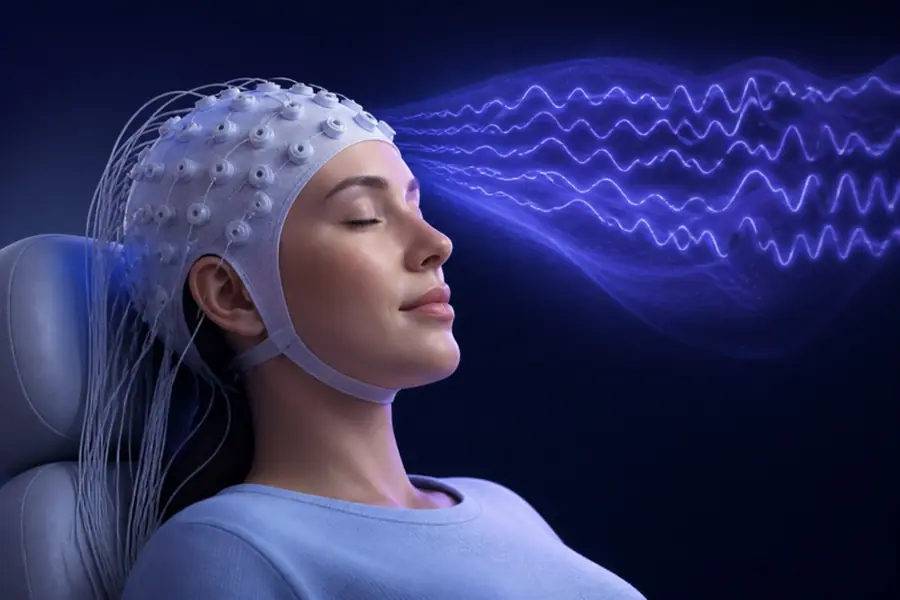
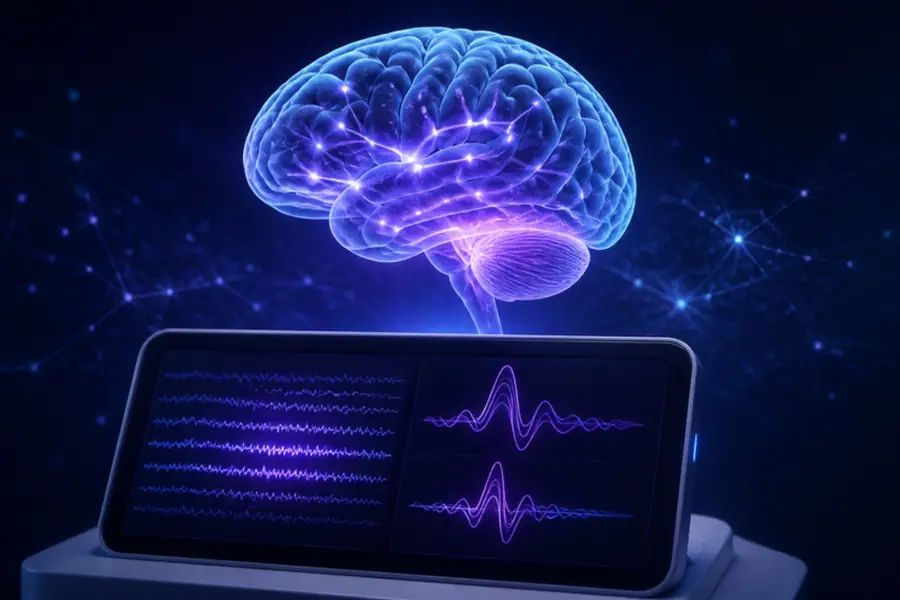
- EEG: records brain activity and may show epileptiform discharges; sleep-deprived or long-term EEG increases the yield
- Brain MRI: with an epilepsy protocol to look for structural causes
- Blood tests: to look for metabolic causes and before starting medication
- ECG: to exclude cardiac causes of loss of consciousness
- Video-EEG monitoring: when the diagnosis remains unclear or seizures are drug-resistant
How is Epilepsy treated?
Anti-seizure medication
Most people with epilepsy are treated with anti-seizure medicines. The choice depends on the seizure type, epilepsy syndrome, age, sex, other conditions, other medicines and plans for pregnancy. Treatment usually starts with a single medicine at a low dose, increased gradually. About two thirds of people become seizure-free with medication.
Lifestyle
- Take medication regularly and at the same times every day
- Get enough sleep and keep a regular sleep schedule
- Limit alcohol
- Identify and avoid personal triggers
- Keep a seizure diary
Drug-resistant epilepsy
If seizures continue after two appropriate medicines at adequate doses, the epilepsy is considered drug-resistant. In this case, the diagnosis is re-evaluated and assessment at an epilepsy surgery centre may be recommended. Options include epilepsy surgery, vagus nerve stimulation and dietary therapies.
Women and epilepsy
Some anti-seizure medicines interact with hormonal contraception and some carry risks in pregnancy. Pregnancy should ideally be planned in advance with your neurologist so that medication can be optimised and folic acid started. Most women with epilepsy have healthy pregnancies.
Treatment timeline and your stay in Istanbul
A first consultation takes 45–60 minutes; EEG can usually be done on the same day. MRI can be arranged within one or two days. Follow-up visits are typically every 3–12 months depending on seizure control.
For international patients, consultation, EEG and MRI review usually fit into 1–2 days in Istanbul; follow-up can continue online in English.
Follow-up after treatment
- Never stop medication suddenly
- Carry information about your epilepsy and medicines
- Inform your doctor about new medicines, including over-the-counter ones
- Driving rules depend on your country; seizure-free periods are usually required
- Avoid swimming alone, bathing in a bathtub alone and working at heights while seizures are not controlled
- After two or more years without seizures, gradual withdrawal of medication may be discussed
Epilepsy and travel
Carry enough medication for your entire trip plus a few extra days, in your hand luggage, together with a doctor’s letter. When crossing time zones, keep the interval between doses as regular as possible; your neurologist can help you plan the timing. Try to avoid sleep deprivation during travel.
Risks and what to watch for
Uncontrolled seizures can lead to injuries, burns, drowning and, rarely, sudden unexpected death in epilepsy (SUDEP), particularly with frequent tonic-clonic seizures. Good seizure control reduces these risks significantly. Anti-seizure medicines may cause side effects such as tiredness, dizziness, mood changes, weight changes or skin rashes; these are monitored and the treatment is adjusted if needed.
Frequently asked questions about Epilepsy
Does one seizure mean I have epilepsy?
Not necessarily. Many people have a single seizure and never have another. EEG and MRI help to estimate the risk of recurrence and decide whether treatment is needed.
Can epilepsy be cured?
Many people become seizure-free with medication, and some childhood epilepsies resolve with age. After a long seizure-free period, medication can sometimes be stopped gradually under supervision.
Can I drive with epilepsy?
Driving rules vary by country. In most countries you can drive after a defined seizure-free period. Your neurologist will advise you according to your local regulations.
Can I have children if I have epilepsy?
Yes. Most women with epilepsy have healthy babies. Pregnancy should be planned with your neurologist to choose the safest medication and start folic acid in advance.
Is epilepsy hereditary?
Some types have a genetic component, but most children of parents with epilepsy do not develop it. The risk depends on the type of epilepsy.
Can stress trigger seizures?
Yes. Stress, lack of sleep, alcohol, missed medication and illness with fever are common triggers.
Can epilepsy start in older age?
Yes. New-onset epilepsy is common in older adults, often due to stroke, dementia or other brain changes. Seizures in older people can be subtle, appearing as confusion or memory gaps.
What if my medicine is not available in my home country?
We take this into account when choosing your medication and can suggest equivalent alternatives available where you live.
Can I drink alcohol if I have epilepsy?
Small amounts may be acceptable for some people, but alcohol can lower the seizure threshold, interact with medication and disturb sleep. Heavy drinking and alcohol withdrawal are common seizure triggers.
This page is for general information only and does not replace a medical consultation. Please consult a physician for diagnosis and treatment. Results vary from person to person.