What is Alzheimer’s disease and dementia?
Dementia is an umbrella term for a decline in memory and other thinking abilities severe enough to interfere with daily life. It is not a normal part of ageing. Alzheimer’s disease is the most common cause, but there are several other types.
Main types of dementia
- Alzheimer’s disease: gradual loss of recent memory, followed by problems with language, orientation and judgement
- Vascular dementia: caused by strokes or small vessel disease; slowness of thinking, problems with attention and planning
- Dementia with Lewy bodies: fluctuating attention, visual hallucinations, parkinsonism and acting out dreams
- Frontotemporal dementia: changes in personality, behaviour or language, often starting before 65
- Mixed dementia: a combination, most often Alzheimer’s and vascular changes
Mild cognitive impairment
Mild cognitive impairment (MCI) describes memory or thinking problems that are greater than expected for age but do not yet significantly affect independence. Some people with MCI remain stable or improve, while others progress to dementia. Monitoring and addressing risk factors are important.
Treatable causes of memory problems
Before diagnosing dementia, conditions that can cause similar symptoms must be excluded: vitamin B12 deficiency, thyroid disorders, depression, sleep apnea, medication side effects, normal pressure hydrocephalus, infections and some metabolic disorders. Treating these can significantly improve memory.
Symptoms of Alzheimer’s disease and dementia
- Forgetting recent conversations or events
- Asking the same questions repeatedly
- Misplacing items and being unable to retrace steps
- Difficulty finding words or following conversations
- Getting lost in familiar places
- Difficulty managing money, medication or household tasks
- Poor judgement, for example in financial decisions
- Withdrawal from hobbies and social activities
- Changes in mood, personality or behaviour
- Sleep disturbances and night-time confusion
When should you see a neurologist?
- When memory problems are noticed by the person or the family
- When forgetfulness interferes with work or daily life
- Memory problems with personality or behaviour changes
- Rapidly progressive memory loss
- Memory problems with hallucinations, falls or tremor
- For a second opinion on a dementia diagnosis
- For family members seeking guidance on treatment and care
Please come with a family member or someone who knows you well. Their observations are very important for an accurate assessment.
How is Alzheimer’s disease and dementia diagnosed?
- Detailed history from the patient and a family member
- Neurological examination
- Cognitive tests assessing memory, attention, language, visuospatial skills and executive function
- Blood tests: B12, folate, thyroid function, blood sugar, kidney and liver function and others
- Brain MRI to look for atrophy patterns, vascular changes and other causes
- Assessment of mood and sleep
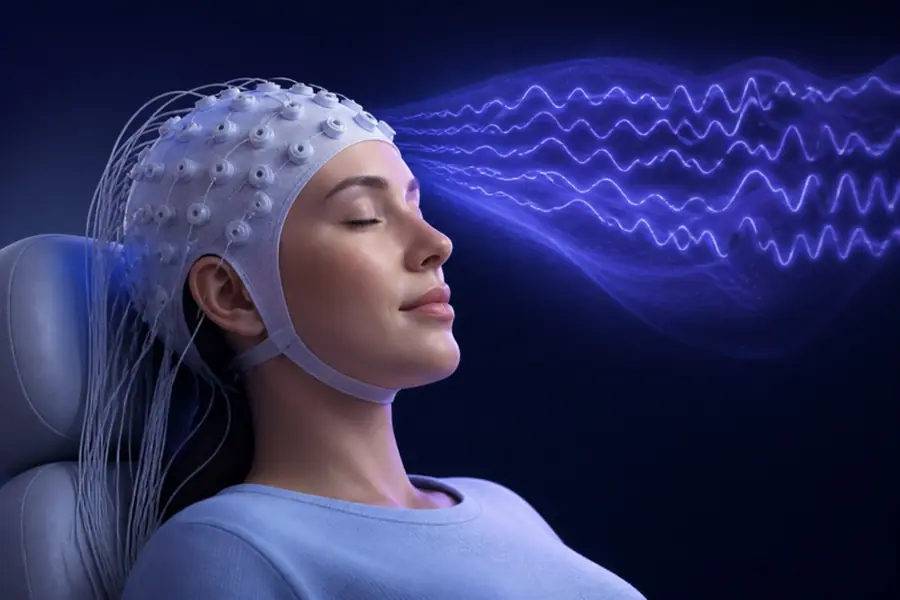
- In selected cases: EEG, PET scan, spinal fluid biomarkers or blood biomarkers
How is Alzheimer’s disease and dementia treated?
Medication
Medicines for Alzheimer’s disease can help stabilise memory and daily functioning for a period of time in many people. The choice depends on the stage of the disease and other health conditions. Newer disease-modifying treatments are available in some countries for carefully selected patients in the early stages. Behavioural symptoms, depression, anxiety and sleep problems are also treated.
Non-drug approaches
- Regular physical exercise
- Mental and social activity
- Treatment of hearing and vision problems
- Control of blood pressure, diabetes and cholesterol
- Good sleep and treatment of sleep apnea
- A structured daily routine and a safe home environment
Support for families
Dementia affects the whole family. Information about the condition, planning for the future (including legal and financial matters), caregiver support and practical advice on communication and safety are integral parts of care.
Managing behavioural symptoms
Agitation, restlessness, wandering, suspicion and night-time confusion can be very stressful for families. Often there is a trigger — pain, infection, constipation, poor sleep, noise or a change in routine — which can be identified and addressed. Non-drug approaches are tried first; when medication is needed, it is chosen carefully and used at the lowest effective dose.
Treatment timeline and your stay in Istanbul
The first assessment takes 60–90 minutes, including cognitive testing. Blood tests and MRI can usually be performed within one or two days. Follow-up visits are typically every three to six months.
For international patients and families, the full assessment can usually be completed in 1–2 days in Istanbul. Consultations can be held in English, German, Bulgarian, Russian or Turkish, and follow-up can continue online.
Follow-up after treatment
- Medication is started gradually and side effects are monitored
- Cognitive tests are repeated periodically
- Driving safety, medication management and finances are discussed
- Caregiver well-being is regularly considered
- New symptoms such as sudden confusion should prompt an urgent check for infection or other causes
Planning ahead
An early diagnosis gives the person with dementia the opportunity to take part in decisions about their future care, finances and legal matters while they are still able to do so. Discussing these topics early, together with the family, often reduces stress later on.
Risks and what to watch for
Untreated dementia can lead to safety problems such as getting lost, falls, medication errors and financial exploitation. Medicines for dementia may cause nausea, loss of appetite, dizziness or a slow heart rate; doses are adjusted gradually. Some sedatives and sleeping pills can worsen confusion and increase falls in older adults, so all medicines are reviewed carefully.
Frequently asked questions about Alzheimer’s disease and dementia
Is forgetfulness a normal part of ageing?
Mild slowing and occasional forgetfulness are common with age. Forgetting recent events repeatedly, getting lost or difficulty managing daily tasks are not normal and should be assessed.
Can memory loss be reversed?
Some causes, such as vitamin B12 deficiency, thyroid problems, depression, sleep apnea or medication side effects, are treatable and memory can improve. Alzheimer’s disease cannot be cured, but treatment can help.
What is the difference between Alzheimer’s and dementia?
Dementia is the general term for a decline in thinking abilities; Alzheimer’s disease is its most common cause.
Is Alzheimer’s disease hereditary?
Most cases are not directly inherited, although family history increases the risk somewhat. Rare genetic forms usually start before 65.
Can dementia be prevented?
Not all cases can be prevented, but controlling blood pressure, diabetes and cholesterol, staying physically and mentally active, treating hearing loss and avoiding smoking can reduce the risk.
Can sleep problems affect memory?
Yes. Poor sleep and sleep apnea can worsen memory and attention. They should always be assessed in people with memory complaints.
Should my parent still drive?
Driving safety depends on the stage of dementia and individual abilities. It is assessed and discussed openly with the patient and family.
Can the consultation be in our native language?
Yes. Assessments can be carried out in English, German, Bulgarian, Russian or Turkish, which is especially important for accurate cognitive testing.
Are memory supplements useful?
Most supplements have not been shown to prevent or treat dementia. Correcting a proven deficiency, such as vitamin B12 or vitamin D, is useful; other supplements should be discussed with your doctor to avoid interactions.
Can a person with dementia travel to Istanbul for assessment?
Often yes, with a companion. Travel is planned to be as short and calm as possible, with assessments scheduled at the time of day when the person is usually at their best.
How quickly does Alzheimer’s disease progress?
The course varies widely. Many people live for years with slowly progressive symptoms. Regular follow-up helps to adapt treatment and care to each stage.
This page is for general information only and does not replace a medical consultation. Please consult a physician for diagnosis and treatment. Results vary from person to person.