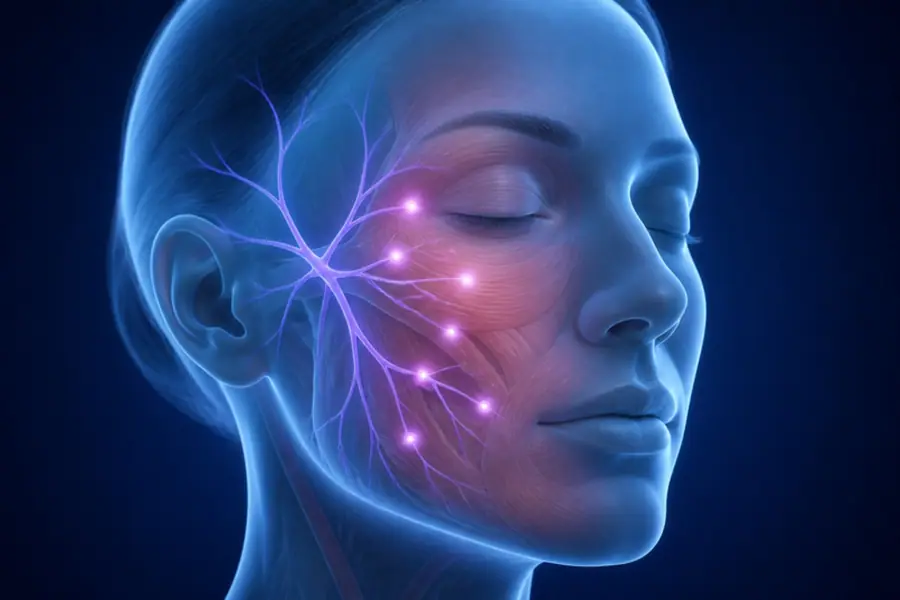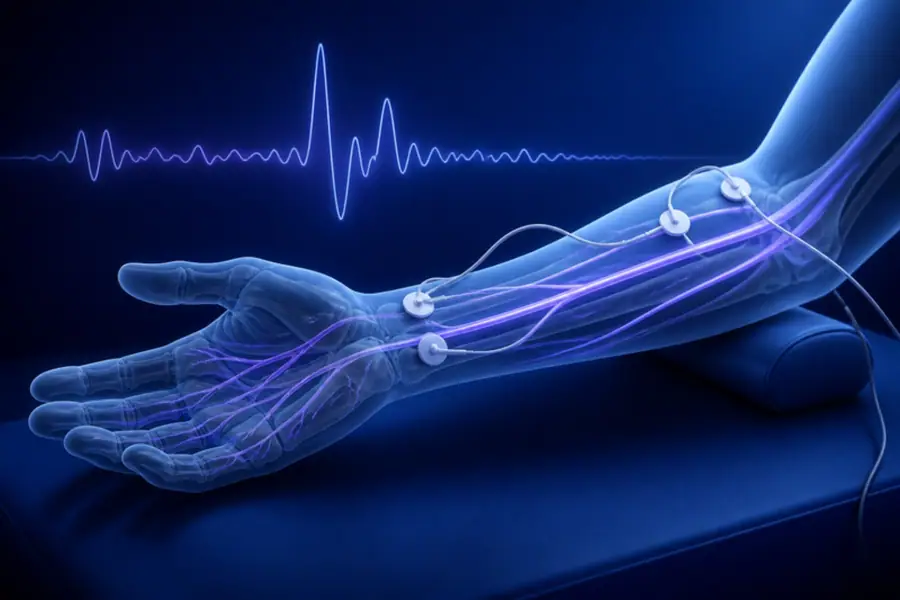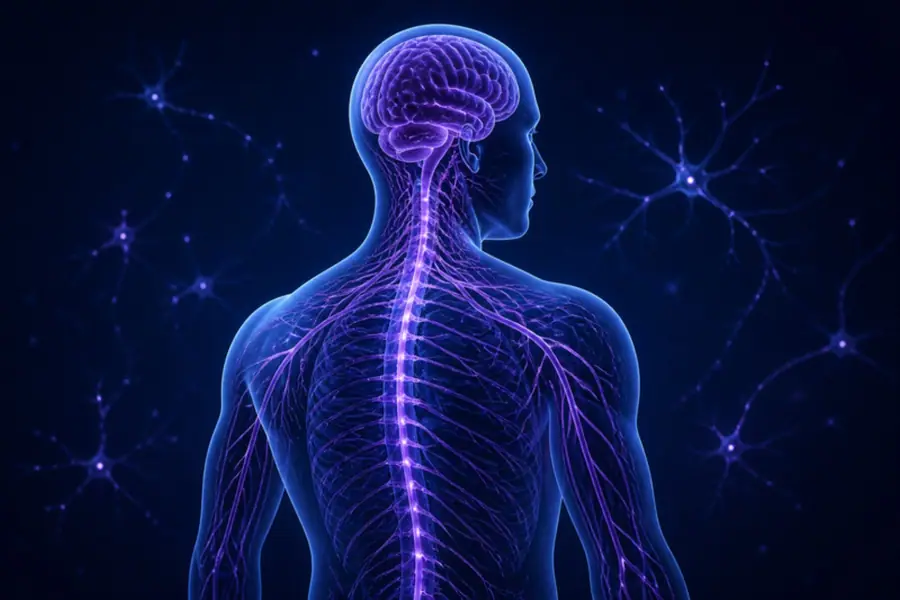
What is Tremor?
Everyone has a slight, invisible physiological tremor. It becomes noticeable when it is enhanced by factors such as stress, caffeine, fatigue or certain medicines. A pathological tremor is caused by a disease affecting the brain circuits that control movement.
Types of tremor
- Essential tremor: the most common movement disorder; tremor of both hands when holding a position or performing actions such as writing or drinking; may also affect the head and voice; often runs in families and may improve with small amounts of alcohol
- Parkinsonian tremor: occurs mainly at rest, usually starting on one side, together with slowness and stiffness
- Enhanced physiological tremor: caused by anxiety, caffeine, thyroid overactivity, low blood sugar or medication
- Medication-induced tremor: for example from certain asthma medicines, antidepressants, mood stabilisers or anti-seizure medicines
- Dystonic tremor: associated with dystonia, for example a tremor of the head with abnormal neck posture
- Cerebellar tremor: a slow tremor that worsens when reaching for a target, caused by damage to the cerebellum
Tremor can be distinguished by when it occurs (at rest, with posture or with movement), which body parts are affected, its frequency, and the presence of other neurological signs.
Tremor in older adults
A new tremor in an older person may be essential tremor, early Parkinson’s disease or a side effect of medication, but it can also be caused by thyroid problems, kidney or liver disease or low blood sugar. Because older adults often take several medicines, a careful review of all medicines is especially important. In many cases, simply changing or reducing a medicine improves the tremor significantly.
Symptoms of Tremor
- Shaking of the hands when holding a cup, writing or using a spoon
- Tremor at rest that decreases with movement
- Head nodding (“yes-yes” or “no-no”)
- Shaky voice
- Tremor worsening with stress, fatigue or caffeine
- Difficulty with fine tasks such as buttoning or putting on make-up
- Social embarrassment and avoidance of eating or writing in public
How tremor affects daily life
Even a mild tremor can make drinking from a full cup, writing a signature, using a smartphone, putting on make-up or shaving difficult. Many people start avoiding restaurants, meetings or signing documents in public. These everyday difficulties are an important part of the assessment, as they help decide whether and how intensively the tremor should be treated.
When should you see a neurologist?
- New or worsening tremor
- Tremor affecting daily activities or work
- Tremor at rest or on one side
- Tremor with slowness, stiffness or walking problems
- Tremor starting after a new medicine
- For a second opinion on whether the tremor is essential tremor or Parkinson’s disease
How is Tremor diagnosed?
- History: onset, family history, alcohol response, medicines, caffeine and thyroid symptoms
- Neurological examination: tremor at rest, in posture and in action; spiral drawing and handwriting; signs of parkinsonism, dystonia or cerebellar disease
- Blood tests: thyroid function, blood sugar, liver and kidney function, and in young people copper metabolism (to exclude Wilson’s disease)
- Brain MRI if a structural cause is suspected
- DaT scan in selected cases to distinguish Parkinson’s disease from essential tremor
Bring a video and a handwriting sample
Tremor can vary from day to day and may be less visible during the consultation. A short smartphone video of the tremor during everyday tasks, and a sample of your handwriting from before and after the tremor started, can help the assessment.
How is Tremor treated?
General measures
- Reduce caffeine and avoid triggers
- Treat thyroid problems and review medicines
- Use heavier cups and utensils, weighted wrist bands and other aids
- Relaxation techniques for stress-enhanced tremor
Medication
For essential tremor, certain blood pressure medicines (beta-blockers) and anti-seizure medicines are effective in many people. They can be taken daily or only before specific situations such as social events. Parkinsonian tremor is treated with Parkinson’s medication.
Botox
Botulinum toxin injections can reduce head and voice tremor and, in selected cases, hand tremor. The injections are repeated about every three months.
Advanced therapies
For severe, disabling tremor that does not respond to medication, deep brain stimulation or focused ultrasound may be options. Suitability is assessed and referral is made to specialised centres.
Treatment timeline and your stay in Istanbul
The consultation takes 30–45 minutes. Blood tests can be done on the same day, and MRI can be arranged if needed.
For international patients, the assessment and treatment plan can be completed in one day in Istanbul, with follow-up online.
Follow-up after treatment
- Start medication at a low dose and increase gradually
- Record the effect of treatment on daily tasks
- Avoid excessive caffeine
- Do not use alcohol as a treatment for tremor
- Attend follow-up for dose adjustment
Follow-up
At follow-up visits, the effect of treatment on everyday tasks is reviewed using handwriting, spiral drawings and your own observations. Doses are adjusted gradually, and if a treatment is not helpful it is stopped rather than continued unnecessarily.
Tremor treatment is adjusted to your needs: some people only need medication before important events, while others benefit from daily treatment. If one medicine is not effective or is not tolerated, there are several alternatives to try before considering advanced therapies.
Risks and what to watch for
Tremor itself is rarely dangerous, but it can affect independence and quality of life. Medicines for tremor may cause tiredness, dizziness, low blood pressure, slow heart rate or difficulty concentrating; beta-blockers are not suitable for some people with asthma. Botox can temporarily cause weakness in the injected muscles.
Frequently asked questions about Tremor
Is tremor always a sign of Parkinson’s disease?
No. Essential tremor is much more common. Parkinson’s tremor typically occurs at rest and is accompanied by slowness and stiffness.
Why does my tremor improve with alcohol?
Many people with essential tremor notice this. However, alcohol should not be used as a treatment because of the risks of dependence and rebound tremor.
Is essential tremor hereditary?
Yes, in about half of cases there is a family history.
Can anxiety cause tremor?
Yes. Anxiety enhances physiological tremor. However, a persistent tremor should be assessed to exclude other causes.
Can coffee make tremor worse?
Yes. Caffeine can enhance tremor; reducing it often helps.
Does essential tremor get worse over time?
It often progresses slowly over years, but the rate varies widely and many people are only mildly affected.
Can Botox help tremor?
Yes, especially for head and voice tremor and in selected cases of hand tremor.
Is surgery an option for tremor?
For severe, disabling tremor that does not respond to medication, deep brain stimulation or focused ultrasound may be considered at specialised centres.
Can tremor be caused by my medicines?
Yes. Several medicines can cause or worsen tremor, including some asthma inhalers, antidepressants, mood stabilisers, thyroid hormone and certain anti-seizure medicines. A medication review is always part of the assessment.
Can children and young people have tremor?
Yes. Essential tremor can start at any age, often in families. In young people, rare causes such as Wilson’s disease and medication effects are also checked.
Can tremor be assessed online?
A first impression can be gained from videos and an online conversation, but a full in-person examination is needed to distinguish the types of tremor reliably.
This page is for general information only and does not replace a medical consultation. Please consult a physician for diagnosis and treatment. Results vary from person to person.