What is CPAP / BiPAP check?
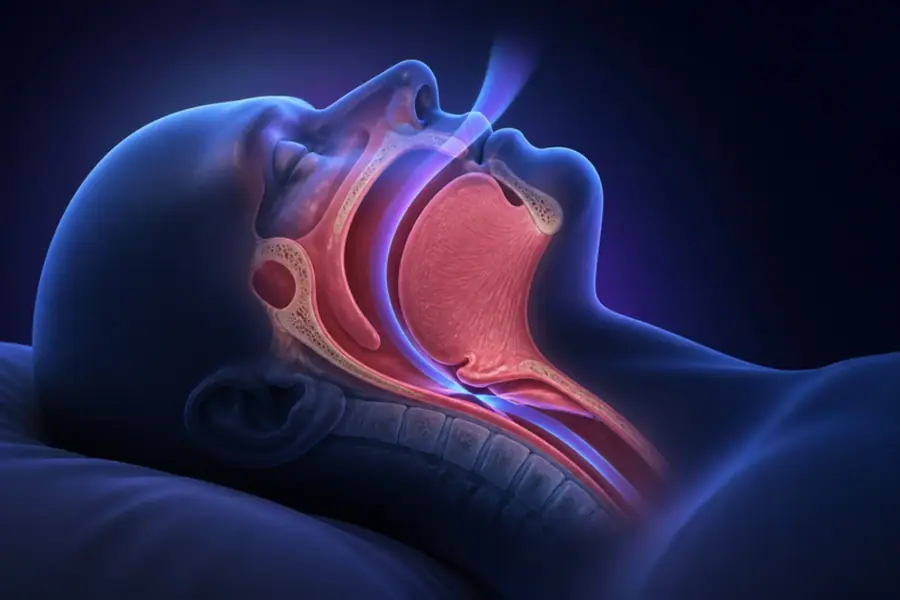
CPAP (continuous positive airway pressure) delivers a steady, gentle air pressure through a mask to stop the throat collapsing during sleep. APAP (auto-CPAP) devices adjust the pressure automatically within set limits throughout the night. BiPAP (bilevel positive airway pressure) delivers a higher pressure when you breathe in and a lower one when you breathe out; it is used when high pressures are needed, when CPAP is not tolerated or when breathing is insufficient.
These devices do not cure sleep apnea; they keep the airway open while in use. With correct settings and regular use, snoring and breathing pauses largely disappear, daytime sleepiness improves and the long-term strain on the heart and blood vessels is reduced.
Many people abandon their device because problems are not solved. The goal of a CPAP check is to identify and fix these problems early so you get the full benefit of treatment.
Why adherence matters so much
The benefit of CPAP is directly related to how much it is used. People who use their device only for part of the night or on some nights may not see enough improvement in sleepiness or cardiovascular risk. Research shows that many users stop in the first months because of unresolved problems — which is why expert support early on is so important.
Which conditions is it used for?
A device check is recommended if you use CPAP or BiPAP and:
- Snoring or daytime sleepiness continue despite using the device
- The pressure feels too strong, breathing out is difficult or swallowed air bloats your stomach
- There are air leaks, mask marks or sore skin on the bridge of your nose
- You have a dry mouth or nose, nasal congestion or nosebleeds
- You take the mask off during the night without realising
- The machine is noisy or you cannot fall asleep with it
- Your weight has changed, or you have had a new illness, surgery or new medicines
- You have a new device, or a device bought abroad that needs checking
- It is time for your yearly check-up
Who is CPAP / BiPAP check suitable for?
- People starting CPAP or BiPAP (first-month review)
- Long-term users whose symptoms have returned
- People struggling to use their device regularly
- People using breathing support because of stroke, heart failure, neuromuscular disease or chronic lung disease
- People who need a device change or new settings
- Travellers and expatriates who need their device checked while in Istanbul
Assessment before the procedure
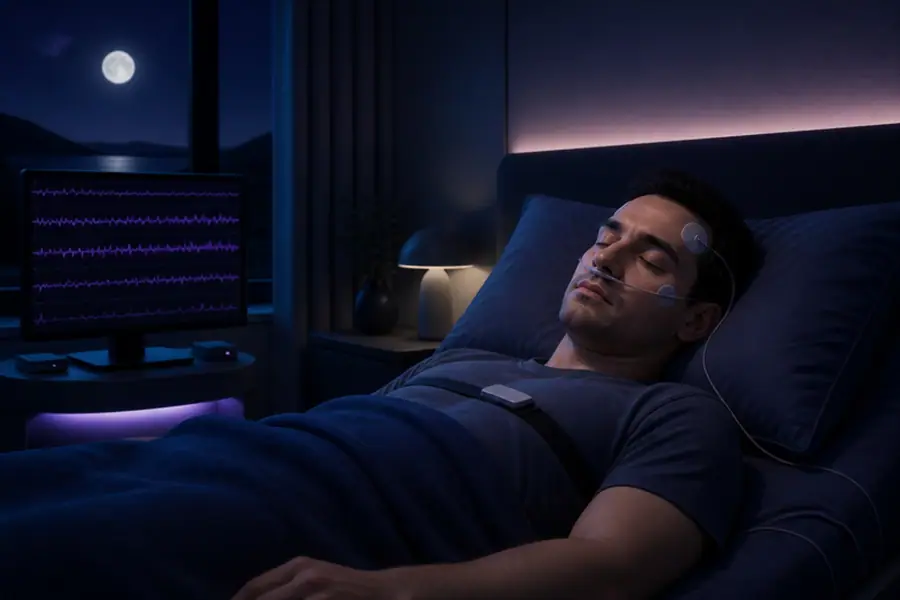
Please bring your device, mask, tubing and power cable. Most machines record nightly usage, mask leak and the remaining number of breathing events (residual AHI); these are read from the device’s memory card or remote-monitoring system.
We ask about your sleep quality, daytime sleepiness, mask problems and when you use the device. Bringing your previous sleep study reports allows comparison with your original sleep apnea severity.
How is CPAP / BiPAP check performed?
Reviewing usage data
We look at nightly hours of use, the percentage of nights used, average pressure, leak and residual events. In general the aim is use on most nights for at least 4 hours — ideally the whole night.
Mask fitting
The type of mask (nasal pillows, nasal mask, full-face mask) and its size are reassessed according to your face and sleeping habits. People who breathe through the mouth may need a full-face mask or chin strap; nasal congestion may need treatment. A well-fitting mask reduces both leaks and skin problems.
Pressure adjustment and titration
If the data show the pressure is too low or too high, it is adjusted. When necessary, a CPAP titration night in the sleep laboratory determines the ideal pressure. If pressure is hard to tolerate, ramp settings or pressure relief on exhalation can help; a switch to BiPAP is considered if needed.
Comfort settings
- Heated humidifier and heated tubing to reduce dryness
- Adjusting the ramp time
- Gradual desensitisation for people who pull the mask off
- Daytime practice sessions for people who feel claustrophobic
Remote monitoring
Many modern devices transmit usage data wirelessly, so hours of use, leaks and residual events can be checked without a visit and problems can be fixed early. This makes follow-up much easier for patients living abroad.
Procedure time and your stay in Istanbul
A device check takes 30–45 minutes. If titration is needed, one night is spent in the sleep laboratory. For new users the first check is usually at one month, then at three months and then once a year.
For travellers, a device check can be done on the same day, and with titration within 1–2 days. Devices with remote monitoring allow follow-up to continue online.
After the procedure
- Clean your mask daily and the tubing and water chamber weekly with mild soapy water
- Use only distilled or boiled-and-cooled water in the humidifier
- Replace filters and mask cushions as recommended by the manufacturer
- Take your device with you when travelling; it can usually go in hand luggage
- Do not delay a check if your symptoms return
Possible side effects and risks
CPAP and BiPAP are generally safe. Possible problems include dryness of the nose and mouth, nasal congestion, mask marks and skin irritation, dry eyes from air leaks, swallowed air and difficulty falling asleep at first. Most can be solved with device and mask adjustments. In special situations such as severe lung disease or recent facial or skull surgery, device use should be discussed with your doctor.
Frequently asked questions about CPAP / BiPAP check
How many hours a night should I use CPAP?
Ideally every night and for as much of the night as possible. Less than 4 hours a night is generally considered insufficient. Using it during daytime naps also helps.
My mouth gets dry with CPAP. What can I do?
A dry mouth usually means air is leaking through the mouth. A heated humidifier, a full-face mask or a chin strap usually solves this. Nasal congestion should be treated too.
The pressure feels too strong — should I stop?
Please have a check before stopping. Ramp settings, exhalation pressure relief, re-adjusting the pressure or switching to BiPAP improve comfort for most people.
What is the difference between CPAP and BiPAP?
CPAP uses the same pressure for breathing in and out. BiPAP uses a higher pressure on inhalation and a lower one on exhalation; it is used when high pressures are needed, CPAP is not tolerated or breathing is insufficient.
I have lost weight — should my settings change?
Significant weight loss can reduce sleep apnea and the pressure you need. Your device data are reviewed and, if necessary, a new sleep study re-sets the pressure.
Can you check a device I bought in another country?
Yes. Send us the make and model and your previous sleep study reports beforehand; the check and, if needed, titration can be done during your visit to Istanbul.
Can I use CPAP on a plane?
Devices can usually be carried as hand luggage. If you want to use it during the flight, check with the airline in advance and make sure your device is approved for in-flight use.
My machine is noisy. Is that normal?
Modern machines are very quiet. Noise usually comes from mask leaks, which can be fixed with a better fit or a different mask. Placing the device below bed level with the tubing not stretched also helps.
This page is for general information only and does not replace a medical consultation. Please consult a physician for diagnosis and treatment. Results vary from person to person.