What is Sleep-deprived and long-term EEG?
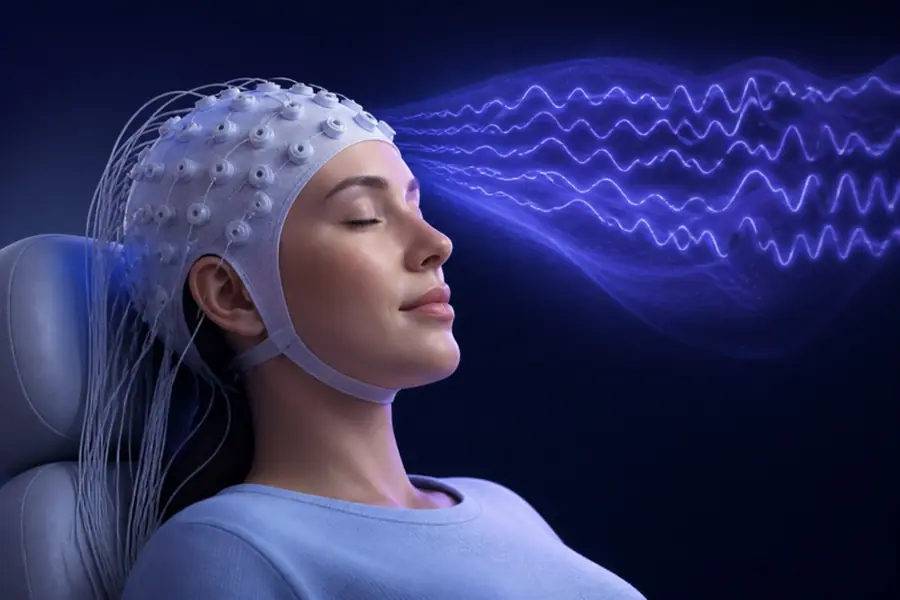
A routine EEG records the brain for 20–40 minutes. In many people with epilepsy, abnormal discharges appear only occasionally, so a short recording may easily miss them. Two strategies increase the yield of EEG:
Sleep-deprived EEG
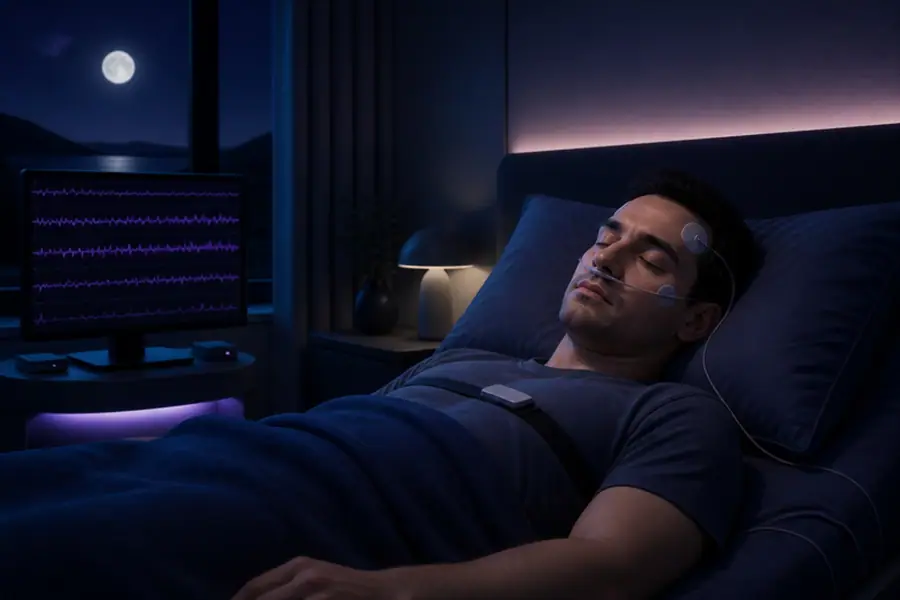
Lack of sleep makes the brain more excitable, and drowsiness and light sleep are the stages in which epileptic discharges most often appear. In a sleep-deprived EEG, you sleep less than usual the night before (often only a few hours, or not at all, according to instructions), so that you fall asleep during the recording. The recording usually lasts one to two hours and includes wakefulness, drowsiness and sleep.
Long-term (ambulatory) EEG
In a long-term EEG, electrodes are attached to the scalp and connected to a small portable recorder worn on a belt or shoulder bag. You go home and continue your normal daily life while the EEG is recorded continuously for 24, 48 or 72 hours, including at least one full night of sleep. You record any symptoms in a diary or press an event button.
Both methods are particularly useful for sleep-related epilepsies, for capturing infrequent discharges, and for correlating unexplained episodes with brain activity.
Why sleep matters in epilepsy
Sleep changes the electrical activity of the brain considerably. During the transition into sleep and in light sleep, nerve cells fire in a more synchronised way, which makes epileptic discharges that are invisible during wakefulness more likely to appear. In some childhood epilepsies, abnormalities are seen almost only during sleep, while in others — such as juvenile myoclonic epilepsy — lack of sleep and waking up are typical seizure triggers.
When is it requested?
- A routine EEG was normal, but epilepsy is still suspected clinically
- Seizures or episodes occurring mainly during sleep or on waking
- Frequent unexplained episodes such as staring spells, confusion or jerks
- Need to classify the type of epilepsy more accurately
- Assessment before reducing or stopping anti-seizure medication
- Episodes that could be epileptic or non-epileptic (for example fainting, sleep disorders or psychogenic events)
- Children and adolescents with suspected childhood epilepsy syndromes
Night-time episodes that are not epilepsy
Not every abnormal movement during sleep is epileptic. Sleepwalking, night terrors, REM sleep behaviour disorder, restless legs and awakenings caused by sleep apnea can all resemble nocturnal seizures. Sleep EEG, polysomnography or video-EEG help to distinguish these conditions.
Who needs Sleep-deprived and long-term EEG?
These tests are safe for all ages. Sleep deprivation may increase the chance of a seizure in someone with epilepsy, so it is always planned carefully, and you should have a companion with you on the day of the test. Pregnant women and people with certain medical conditions will receive individual instructions.
Do not drive to or from a sleep-deprived EEG. Sleepiness and an increased seizure risk make driving unsafe on that day.
How to prepare
- Follow the exact sleep instructions you are given for the night before
- Avoid caffeine, energy drinks and alcohol before the test
- Wash your hair; do not use oil, gel or hairspray
- Take your regular medicines unless told otherwise
- Wear a button-up top for a long-term EEG, as you will not be able to pull clothes over your head
- Bring a family member who has witnessed your episodes, or a video of them
- For long-term EEG, plan to avoid showering and swimming during the recording period
How is Sleep-deprived and long-term EEG performed?
Sleep-deprived EEG
- Electrodes are placed on the scalp with paste or a cap
- A short awake recording is made, often with deep breathing and flashing lights
- The room is darkened and you are encouraged to fall asleep
- Sleep is recorded for 20–60 minutes
- You are woken gently and the electrodes are removed
Long-term EEG
- Electrodes are fixed to the scalp with a special adhesive and covered with a bandage or cap
- The portable recorder is attached and checked
- You go home and follow your normal routine, including sleep
- You note the time of any episodes or symptoms in the diary
- You return after 24–72 hours for removal of the electrodes
- The entire recording is analysed by the neurologist
Duration, results and your stay in Istanbul
A sleep-deprived EEG takes about two to three hours including preparation. A long-term EEG lasts 24–72 hours, with short visits for attachment and removal. Analysis of a long recording takes time, and the report is usually ready within a few days.
For international patients, a sleep-deprived EEG fits into one day, while a long-term EEG requires a 2–4-day stay in Istanbul. The results are then discussed in person or by video call.
After the test
- After a sleep-deprived EEG, go home with a companion and catch up on sleep
- Wash your hair to remove the paste or adhesive
- Resume normal activities the next day
- Results are discussed together with your history to decide on further tests or treatment
Risks and safety
These tests are very safe. The main risk is that sleep deprivation may trigger a seizure in people with epilepsy, which is why the test is planned carefully and performed with a companion. The adhesive used for long-term EEG may cause mild skin irritation, and some people find sleeping with the electrodes uncomfortable.
Frequently asked questions about Sleep-deprived and long-term EEG
Why do I need to stay awake before the EEG?
Sleep deprivation makes it more likely that abnormal brain activity will appear and that you will fall asleep during the recording, which increases the diagnostic value of the test.
Can I go to work with a long-term EEG?
In many cases yes, if your job allows it. The recorder is small, but the electrodes are visible under a bandage or cap, and you cannot shower during the recording.
What if I have no episodes during the long-term EEG?
Even without episodes, the recording may show abnormal discharges between seizures, especially during sleep. If episodes need to be captured, video-EEG monitoring may be considered.
Is a sleep-deprived EEG safe for children?
Yes. For children, the amount of sleep deprivation is adjusted to age, and a parent stays with the child throughout.
What is the difference between long-term EEG and video-EEG?
Long-term EEG is recorded at home without video. Video-EEG records EEG and video together, usually in a monitoring unit, so that the exact appearance of episodes can be correlated with brain activity.
Should I stop my medication before the test?
No, unless your neurologist specifically instructs you to do so. Medication changes are only made under supervision.
Can I drive home after a sleep-deprived EEG?
No. You will be sleepy and at higher risk of seizures; please arrange for someone to take you home.
Why does a long-term EEG report take longer?
Many hours of recording must be reviewed carefully by the neurologist and compared with the event diary, so the report usually takes a few days longer than a routine EEG.
Can I go to work after a sleep-deprived EEG?
You may feel sleepy and less alert. Avoid driving, operating machinery or working at heights, and ideally rest for the remainder of the day.
Can I sleep during the long-term EEG at home as usual?
Yes. Sleeping in your own bed is one of the advantages of ambulatory EEG. The electrodes are well fixed, and the recording during natural sleep is particularly valuable for detecting epileptic activity.
This page is for general information only and does not replace a medical consultation. Please consult a physician for diagnosis and treatment. Results vary from person to person.