What is Botox for spasticity?
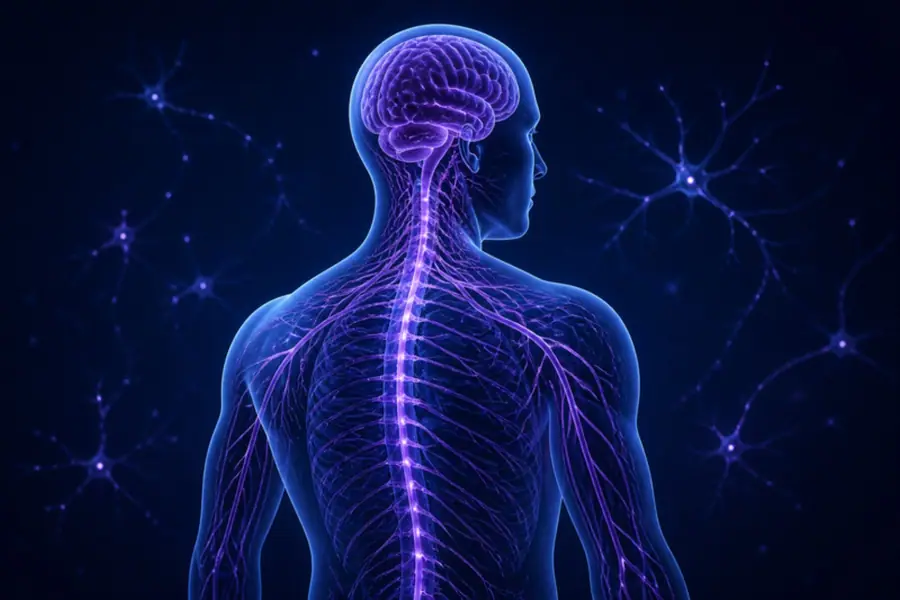
Normally, signals from the brain keep muscle tone balanced. When the pathways from the brain to the spinal cord are damaged — for example by a stroke, multiple sclerosis, traumatic brain injury, spinal cord injury or cerebral palsy — the reflexes become overactive and muscles become stiff and resist stretching. This is spasticity.
Spasticity can cause a bent elbow and clenched fist, a turned-in foot or toes curling down, tight thighs that make hygiene difficult, painful spasms and contractures — permanent shortening of muscles and tendons — if left untreated.
How Botox helps
Botulinum toxin injected into the overactive muscles reduces their excessive contraction for about three to four months. This creates a “window” in which stretching, splinting and physiotherapy can be more effective. Treatment is always planned around specific, practical goals.
Typical treatment goals
- Opening the hand for washing and nail care
- Reducing pain and spasms
- Making dressing and personal care easier for the patient and caregivers
- Improving walking by reducing foot turning or toe curling
- Allowing the use of splints or orthoses
- Preventing contractures and pressure sores
- Improving appearance and comfort
Spasticity in older adults and caregivers
In older adults living with the consequences of a stroke, spasticity often affects not only the person themselves but also their caregivers. A tightly clenched hand can lead to skin problems in the palm, and stiff legs can make transfers, toileting and dressing difficult. Even modest reductions in stiffness can make daily care much easier and more comfortable for everyone involved.
Which conditions is it used for?
- Stiffness of the arm or leg after a stroke or brain injury
- Clenched fist or bent wrist and elbow
- Foot turning inward or pointing down, toes curling
- Painful muscle spasms
- Difficulty with walking, hygiene or dressing
- Muscle stiffness in MS or after spinal cord injury
Who is Botox for spasticity suitable for?
- Focal or multifocal spasticity affecting specific muscle groups
- Spasticity limiting function, care or comfort
- Spasticity not adequately controlled by stretching and oral medicines, or when oral medicines cause drowsiness
- People who want to make physiotherapy more effective
Botox is most effective when spasticity affects specific muscles. For widespread spasticity, oral medicines or intrathecal therapy may be considered. It is not used during pregnancy, in certain neuromuscular diseases or when there is an infection at the injection site.
Assessment before the procedure
Before treatment, the pattern of spasticity is assessed carefully: which muscles are overactive, how stiff they are, whether there are fixed contractures and what the person’s goals are. The assessment includes movement range, muscle tone, strength, walking and daily activities. Clear goals are agreed together with the patient, family and physiotherapist.
How is Botox for spasticity performed?
- The target muscles are identified by examination and, if needed, with ultrasound or EMG guidance
- Botox is injected into the selected muscles with fine needles
- The procedure takes 20–45 minutes depending on the number of muscles
- No anaesthesia is usually needed
- You can go home on the same day
Combination with physiotherapy
Botox works best together with stretching, splinting and targeted physiotherapy started in the days after the injections. Without these, the benefit is often limited. An exercise programme is recommended, and the plan is coordinated with your physiotherapist.
Measuring the result
At each review, the agreed goals are checked: for example, whether the hand can now be opened for cleaning, whether walking has become easier, whether pain and spasms have decreased, or whether a splint now fits comfortably. Simple measurements of joint range and muscle tone, photographs and walking videos help to compare the results between sessions and adjust the plan.
Procedure time and your stay in Istanbul
The effect starts within a few days and peaks at about two to four weeks. It lasts about three to four months, after which the injections can be repeated if they have helped achieve the goals.
For international patients, the assessment and injections can be completed in one day in Istanbul. A written plan with doses and injection sites can be provided for your physiotherapist and doctor at home.
After the procedure
- Start or intensify stretching and physiotherapy within a few days
- Use splints as recommended
- Note changes in stiffness, function and pain
- Follow-up at 4–6 weeks to assess whether the goals were achieved
- Plan the next injections at about 12–16 weeks if beneficial
Possible side effects and risks
Side effects are usually mild: temporary pain or bruising at the injection site, excessive weakness of the injected muscles or flu-like symptoms. Rarely, the toxin may spread and cause swallowing difficulty or general weakness, especially with high doses; doses are carefully calculated to minimise this risk.
Frequently asked questions about Botox for spasticity
Is it too late for Botox years after a stroke?
No. Botox can help spasticity even years after a stroke, as long as there are no fixed contractures. Earlier treatment may help prevent contractures.
Will Botox make my arm or leg stronger?
Botox does not increase strength, but by reducing stiffness it can make movement easier and allow weaker muscles to work better.
How long does the effect last?
Usually three to four months. Injections can be repeated if they have been beneficial.
Is Botox for spasticity painful?
The injections are given with fine needles. Most people tolerate them well; local anaesthetic cream can be used if needed.
Can Botox help with MS spasticity?
Yes. Botox is used for focal spasticity in multiple sclerosis, often together with other treatments.
Is physiotherapy really necessary after the injections?
Yes. Stretching and physiotherapy in the weeks after the injections are essential to get the full benefit.
Can children with cerebral palsy receive Botox?
Yes, Botox is widely used in children with cerebral palsy, usually by paediatric specialists.
Can the treatment be continued in my home country?
Yes. A written summary of the injection plan can be provided for a trained doctor at home.
What if Botox does not help?
The doses, muscles and goals are reviewed. Other options include oral medicines, serial casting, intrathecal baclofen and orthopaedic surgery.
Can oral medicines be used instead of Botox?
Oral medicines act on the whole body and are useful for widespread spasticity, but they can cause drowsiness and weakness. Botox targets specific muscles and is often preferred for focal spasticity; the two can also be combined.
Does insurance cover Botox for spasticity?
Coverage depends on your insurer and country. A detailed medical report describing the indication, goals and treatment plan can be provided to support an application.
Can Botox help shoulder pain after a stroke?
Yes. In some people, shoulder pain after a stroke is related to spasticity of the shoulder muscles, and Botox injections into these muscles can reduce pain and improve positioning.
Can Botox be given if I take blood thinners?
Usually yes. Fine needles are used and the risk of significant bleeding is low, but please tell us about blood-thinning medicines so that injection sites can be chosen carefully.
How many muscles can be treated in one session?
Several muscles can be treated at once, within a safe total dose. When many muscles are involved, the most important goals are prioritised.
This page is for general information only and does not replace a medical consultation. Please consult a physician for diagnosis and treatment. Results vary from person to person.